Barnaby Joyce, now One Nation's Treasury spokesperson, has floated economic proposals that range from the questionable to the potentially beneficial. While his suggestion to give the Reserve Bank of Australia power over government spending is widely criticized, the idea of a publicly-owned bank deserves serious consideration, according to Guardian columnist Greg Jericho.
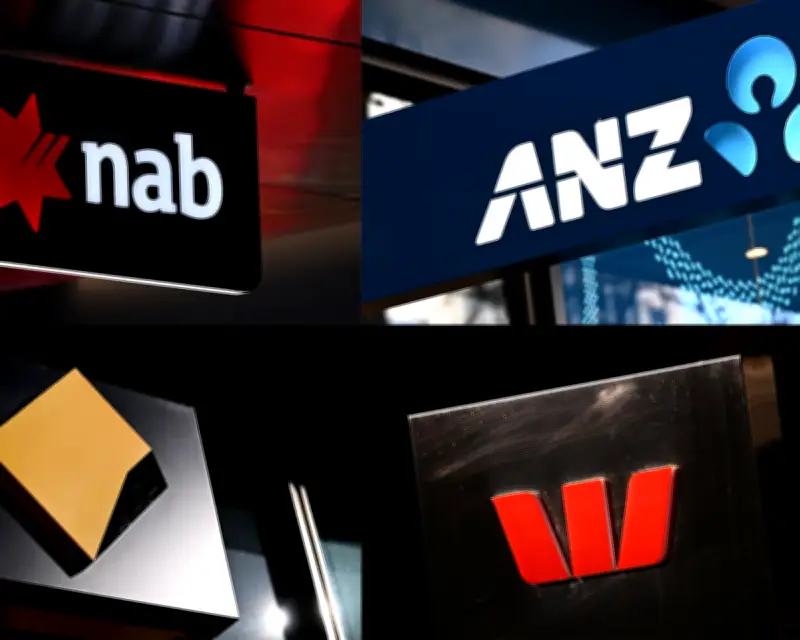
The Dominance of the Big Four Banks
Australia's big four banks hold a combined market share of home loans more than two-and-a-half times that of the rest of the banking sector, generating 80% of interest income from housing loans. This level of concentration, Jericho notes, is not due to superior business acumen but to a historically systemic oligopoly, bolstered by the four pillars policy that prevents mergers among them. A people's bank, long advocated by the Greens, could inject much-needed competition.
Jericho points out that government-owned banks have succeeded before: in 1989-90, the Commonwealth Bank, before privatization, delivered a $110 million dividend to the government. While state banks in South Australia and Victoria failed, those failures stemmed from poor management rather than government ownership itself.
The 30-Year Fixed Mortgage Proposal
One Nation also proposes offering 30-year fixed mortgages at 5%, a rate well below the current average three-year fixed rate of 6.74%. However, Jericho warns this could backfire. With the 10-year bond yield at 4.83%, such loans might generate no profit for the government. More critically, cheaper loans could increase demand at auctions, driving up house prices—undermining recent efforts to cool the market.
The policy raises unanswered questions: eligibility criteria, loan caps, and whether it would apply only to new housing. Joyce himself has called it a 'discussion piece, not policy.' Jericho concludes that while the people's bank idea is sound, One Nation's home loan plan lacks substance and could exacerbate housing affordability issues.