Resurgent oil and fuel prices could cement a fourth interest rate rise this year if Donald Trump's renewed conflict with Iran is not resolved within a week, economists warn.
US missile strikes on Iran and Trump's announcement overnight of a new maritime blockade have lifted oil prices to their highest point in the month since the two countries agreed to a peace deal.
Oil prices surge
Brent crude oil hit US$85 a barrel on Tuesday morning, while the West Texas Intermediate benchmark price for US crude surpassed US$80 a barrel. Both had been trading near US$70 in early July.
Vivek Dhar, an energy commodities strategist at Commonwealth Bank, said escalating hostilities could run down oil stockpiles and push prices far above their April high.
“The clock has started ticking again on global oil inventory depletion,” Dhar said in a note on Tuesday.
Continued conflict would push Brent oil prices to US$100 a barrel within 10 days and US$150 a barrel within 10 weeks, he said.
Impact on Australian fuel prices
Crude prices at US$110 a barrel in April sent Australian unleaded petrol prices to nearly 260 cents a litre and diesel to nearly 320 cents a litre.
Rising oil prices in July had already pushed up wholesale diesel prices from 177.1 cents a litre early in the month to 186 cents a litre on Tuesday, according to the Australian Institute of Petroleum.
Diesel prices at service stations have risen accordingly, back to about 190 cents a litre in the big capital cities, according to MotorMouth.
Peter Khoury, an NRMA spokesperson, said markets had accounted for breakdowns in negotiations but fuel would start to get more expensive if oil prices remained elevated for more than a week.
The federal government's fuel excise relief is set to expire on 2 August, which will push prices up by 16 cents a litre.
RBA rate hike prospects
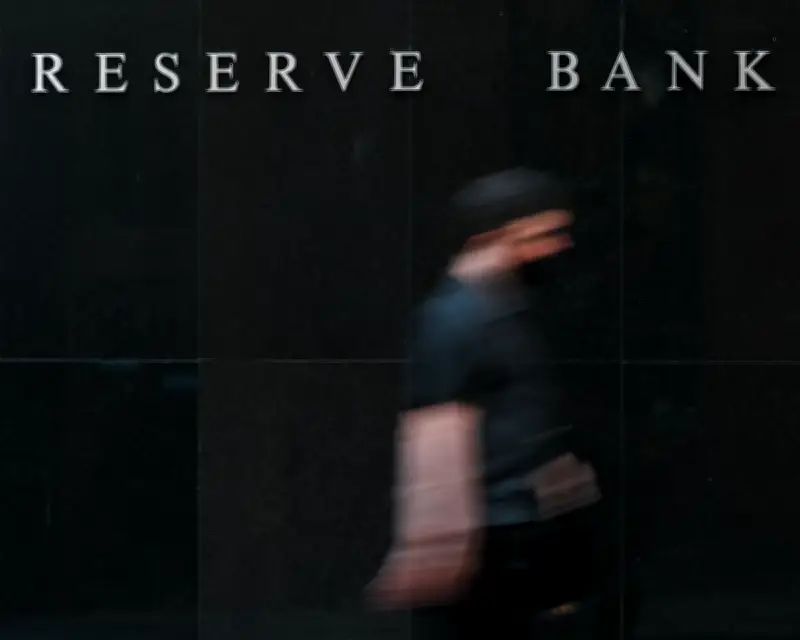
Matthew Hassan, the head of Westpac's macro-forecasting, said resurgent oil prices supported the bank's prediction that the Reserve Bank will raise interest rates in August.
“It will feed into their unease that this inflation will be persistent,” he said.
Markets have increased bets on an RBA rate hike since airstrikes resumed on Thursday, now betting on a 23% chance of a hike in August and more than a 50% chance by December. The RBA has already increased rates three times in 2026, to 4.35%.
Renewed hostilities have damaged households' confidence in the economy, according to the Westpac-Melbourne Institute tracker of consumer confidence, published on Tuesday.
“In the absence of that [conflict], we probably would have seen a more substantive recovery for the month,” Hassan said.
The survey found consumers had been growing less afraid of an interest rate rise and more hopeful their family finances would improve in a year's time, before the conflict heated up. Most were still pessimistic on average and expected a further rate increase in the coming year.
My Bui, an AMP economist, said higher oil prices and the growing likelihood of a rate rise would drag consumer confidence back toward its April lows.
“The employment market hasn't yet deteriorated to concerning levels, and price pressures are still around,” Bui said. “So we continue to see higher chance of a hike from the RBA in the August meeting.”