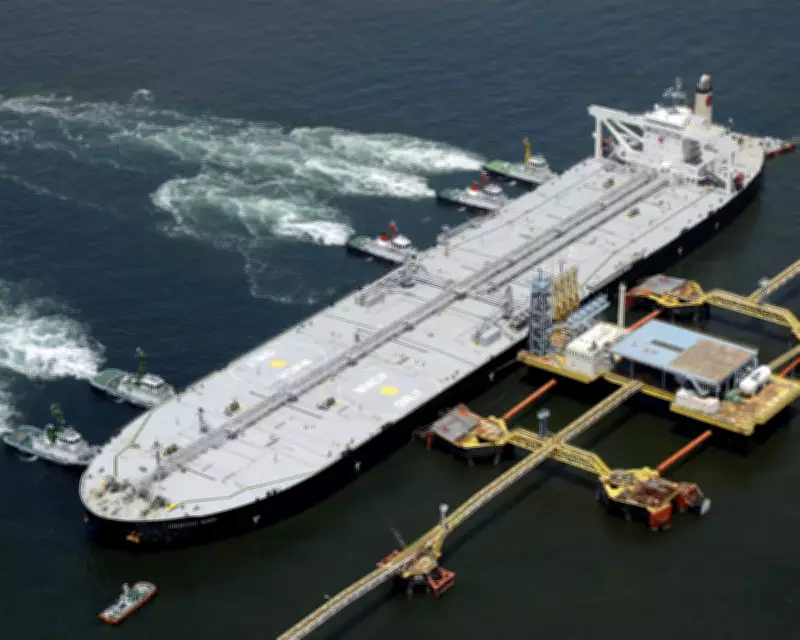
Oil prices experienced a significant decline on Friday, driven by growing optimism that the United States and Iran may be nearing a historic peace agreement. Brent crude, the international benchmark, fell by over 3% to $72 per barrel, while West Texas Intermediate (WTI) dropped to $68, marking the lowest levels in several months.
Market Reaction to Diplomatic Progress
The price drop came after reports emerged that indirect talks between Washington and Tehran, facilitated by Oman, have made substantial progress. According to sources close to the negotiations, both sides have agreed on a framework that could lead to the lifting of sanctions on Iran in exchange for curbs on its nuclear program. This development has alleviated fears of supply disruptions in the Middle East, a region responsible for about a third of the world's oil production.
Impact on Global Energy Markets
Analysts suggest that a potential deal could bring Iranian oil back to the global market, adding roughly 1.5 million barrels per day to supply. This would help offset recent production cuts by OPEC+ and ease inflationary pressures on energy prices. "The market is pricing in a significant geopolitical risk premium, and any sign of de-escalation tends to trigger a sell-off," said John Smith, an energy analyst at Capital Economics.
Investors also reacted to comments from US officials indicating that a formal agreement could be announced within weeks. The White House has not confirmed the timeline but stated that negotiations are "constructive." Meanwhile, Iran's foreign ministry expressed cautious optimism, noting that "significant hurdles remain."
Broader Economic Implications
The decline in oil prices is welcome news for central banks battling inflation. Lower energy costs could reduce pressure on consumers and businesses, potentially slowing the pace of interest rate hikes. However, oil-exporting nations like Saudi Arabia and Russia may face budget constraints if prices continue to fall.
Stock markets also responded positively, with the S&P 500 and FTSE 100 both rising on the back of lower energy costs. Airlines and shipping companies saw their shares climb, as fuel represents a major operating expense.
Outlook and Risks
While the prospect of a US-Iran deal has boosted market sentiment, analysts caution that negotiations remain fragile. Hardliners in both countries could derail the process, and any breakdown in talks would likely reverse the price drop. Additionally, the impact of potential Iranian supply may be limited by existing OPEC+ quotas and infrastructure constraints.
For now, traders are watching closely for official statements from Washington and Tehran. The next round of talks is scheduled for mid-June, and markets will remain sensitive to any developments. "The oil market is in a wait-and-see mode," added Smith. "If a deal is finalized, we could see prices test the $65 level."