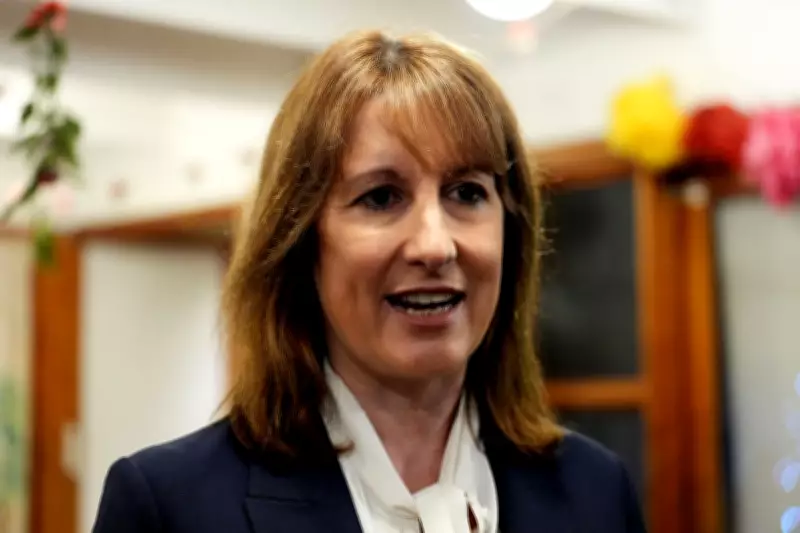
Amid the local elections, some MPs think they've cracked the code to win back voters – by raising taxes. Jeevun Sandher MP, parliamentary aide to the chancellor, said this week that Britain needs to go "further with tax" and create more state-subsidised jobs in an aim to solve Britain's economic woes, what he calls "taxing for growth."
Backbench Pressure for Higher Taxes
Labour backbenchers have repeatedly demonstrated their influence over policy direction, forcing government U-turns on everything from scrapping jury trials to Starmer's plans to reform welfare and personal independence payments last year. Now it seems that Sandher's "Labour Thinks" group could be laying the groundwork for backbench pressure for higher taxes.
The Labour MP thinks Britain's problem isn't that we already extract over £1 trillion a year in taxes, equivalent to roughly 36 per cent of GDP, and that we are on track for a record high tax burden in this parliament, but that we're not being "courageous" enough to take more.
Public Opinion on Taxes
The latest YouGov tax and spend polling tells the real story: twice as many Britons (42 per cent) believe the government taxes and spends too much, compared to those who feel it taxes and spends too little (21 per cent). After years of being told that taxpayers need to cough up more money to fund a growing public sector and inefficient public services, it's unsurprising that taxpayers have twigged they're getting a terrible deal.
Sandher's delusion that voters are crying out for more state intervention flies in the face of this evidence. Rebranding the eternal expansion of the state as "taxing for growth" is unlikely to change their minds.
Why High Taxes Harm Growth
The fundamental problem with Sandher's logic is that high taxes don't create growth, they harm it through simple incentive effects. Corporate taxes discourage business investment, income taxes reduce the incentive to work, and Britain's current marginal rates of 60 per cent actively punish people for earning more. And although there is no academic consensus about what the exact rate is, economic research consistently shows that the growth maximising level of taxation is clustered around 20 per cent of GDP.
What's worse for growth than just high taxes are complicated ones. Britain's tax code is now well over 20,000 pages long, the longest tax code in the world, full of arbitrary rules and complicated exemptions. The Federation of Small Businesses estimated in April 2025 that tax compliance costs small businesses alone 242 million hours and nearly £25 billion each year.
Pro-Growth Tax Policy
There is an argument to be made about structuring the tax system to promote growth, but it's the exact opposite of what Sandher proposes. Pro-growth tax policy means simpler taxes that people can understand, flatter rates that reward effort, and lower overall burdens that let families and businesses keep more of what they earn.
Countries like Estonia transformed their economies with flatter taxes. Ireland attracted global investment with competitive corporate rates. Singapore built prosperity on low, simple taxes that encourage work and investment. Meanwhile, Britain piles complexity upon complexity while wondering why growth remains elusive.
You cannot tax your way to growth and prosperity, and Labour's track record suggests any extra revenue would go toward expanding benefits rather than productive investment. If the priority of "Labour Thinks" is really about designing a tax system to promote growth, then they should focus on lower taxes, simpler rules, and getting government out of the way of the people who actually create wealth.
Anne Strickland is a researcher at the Taxpayers' Alliance.