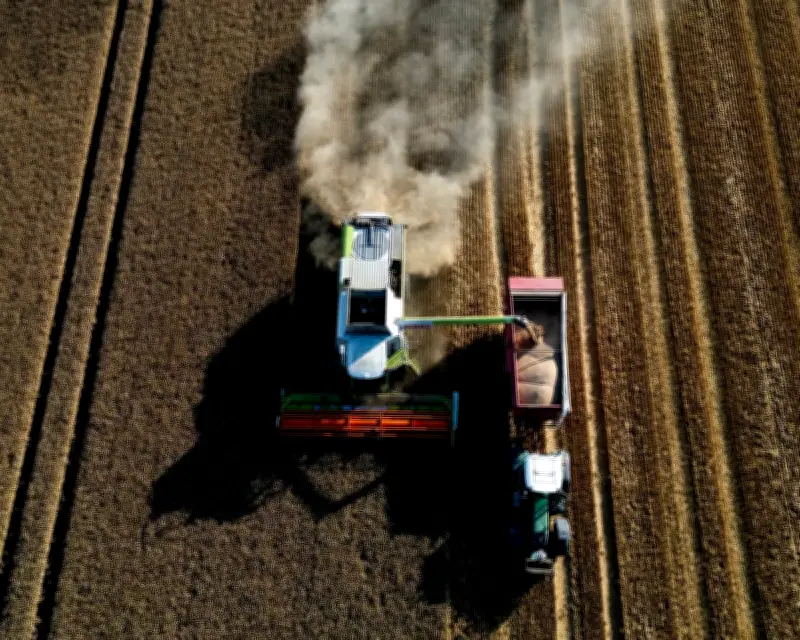
The UN Food and Agriculture Organization (FAO) reported that its food commodity price index climbed to 131.1 points in July, up from 130.3 in June, marking the highest level since January 2023. The increase was fueled by a 3.4% monthly rise in cereal prices, including a 5.8% jump in global wheat costs, as summer heatwaves and geopolitical tensions disrupted supply chains.
Heatwaves and Conflict Squeeze Wheat Supplies
The FAO attributed the wheat price surge to "continued disruptions to Black Sea export flows and damage to export infrastructure" following intensified attacks between Russia and Ukraine. Additionally, a deadly heatwave across Europe in June, exacerbated by carbon emissions, is estimated to have forced grain farmers to destroy 9 million tonnes of crops such as wheat, barley, maize, and oats, according to industry estimates.
World maize prices also increased by 3.6% in July, with the FAO citing "concerns over hot and dry weather in parts of the Corn Belt in the United States of America." The combination of extreme weather and conflict has raised fears about global food availability, particularly for wheat-dependent regions.
Sugar and Vegetable Oil Prices Climb
Sugar prices jumped by 5.6% in July, driven by fears of "persistent hot and dry weather on crop yields in the European Union" and potential damage from the rapidly developing El Niño weather system. The FAO also noted that new rules in Brazil increasing the amount of ethanol that can be added to gasoline led to heightened demand from fermenters, further supporting sugar prices.
Vegetable oil prices rose by 2% in July, attributed to firm demand from Indonesia's biodiesel sector and higher crude oil prices. The Iran war has also been a factor, as approximately one-third of global fertiliser production travels through the Strait of Hormuz, raising input costs for farmers worldwide.
Meat and Dairy Prices Show Mixed Trends
In contrast, meat prices fell by 2.8% in July, marking the first monthly decline this year, with poultry, pig, and beef prices all dropping. However, the FAO noted that high summer temperatures limited pigs' growth rates, providing some price support. Dairy prices slipped by 0.7%, pushed down by a 2.4% drop in butter prices and cheaper milk powders, though cheese prices rose by 1.7%, their first monthly increase in a year.
Impact on Consumers and Food Security
Increased food commodity prices tend to translate into higher retail prices in the coming months, as suppliers pass on costs to consumers. The situation is particularly severe for people already facing acute food insecurity. The UN's World Food Programme (WFP) warned this week that 50 million people could be pushed into acute hunger before the end of next year due to the El Niño phenomenon, with Central and South America, the Caribbean, and southern Africa likely to be worst affected. Analysts believe this year's El Niño may be the strongest in at least 70 years.
Farmers across Europe have predicted that extreme heat, drought, and wildfires will further hit food production and drive up prices. The vegetable growers' association Légumes de France warned earlier this week that thousands of tonnes of products, including salad leaves, carrots, leeks, garlic, and onions, worth tens of millions of euros, had been lost to the heat.