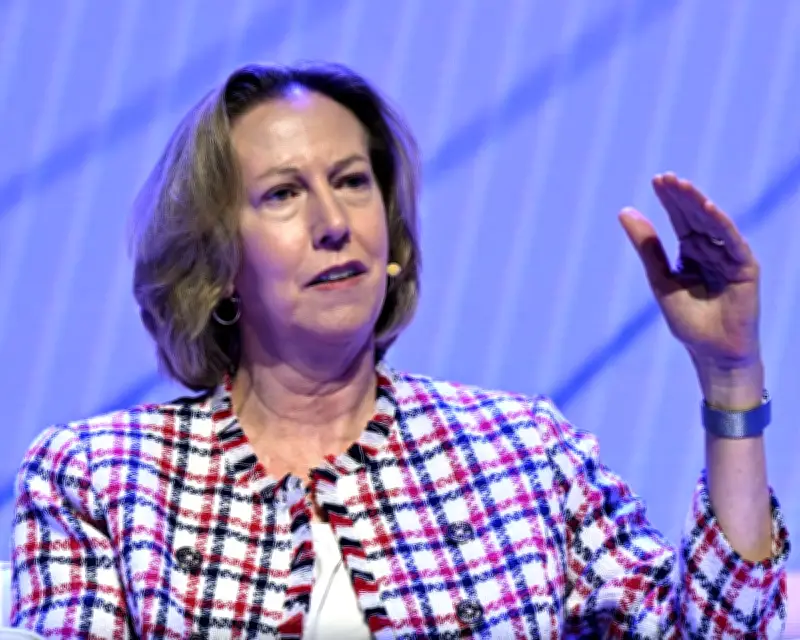
BP's chief executive, Meg O'Neill, has publicly urged Prime Minister Andy Burnham to prioritize the UK's domestic oil and gas resources, even as the company prepares to sell its North Sea business after 60 years in the aging basin. In a conversation with the new prime minister, O'Neill emphasized that the country should use energy produced in the UK, stating, "where we generate jobs, we generate tax revenue, we generate all those additional positive impacts."
BP's endorsement of UK oil production came just days after the 117-year-old company signaled its intention to exit the North Sea as part of a broader streamlining plan. The company has put its North Sea oil and gas business up for sale, with O'Neill noting that these investments are "not competitive" within BP's portfolio. Despite this, she expressed optimism about the assets' future, saying BP has already received several unsolicited offers to buy its North Sea fields.
Record Profits Amid Middle East Crisis
BP's quarterly profits more than doubled to $5.73bn (£4.27bn) in the three months to the end of June, the highest since the first year of Russia's war on Ukraine. This surge was driven by rising oil and gas prices caused by the Middle East crisis, which continues to disrupt energy exports from the Gulf. The company's strong performance mirrors that of other major oil firms, with Shell posting its second-highest quarterly earnings on record and Saudi Aramco seeing a 44% rise in net profits to $32.69bn.
O'Neill's comments come as Burnham's government faces decisions on two controversial North Sea projects—Jackdaw and Rosebank—amid growing public outrage over oil company profits and the escalating climate crisis. Environmental groups and political opponents have criticized the windfall profits, especially as households struggle with rising energy bills and Europe grapples with severe heatwaves linked to fossil fuel emissions.
Government's Dilemma: Jobs vs. Climate
The new ministers are also under pressure to reform the North Sea tax regime, with the industry arguing that high taxes accelerate the basin's natural decline. O'Neill, in an interview with CNBC News, highlighted that the UK gets 75% of its energy from fossil fuels, and insisted that "the first barrel of oil we consume and molecule of natural gas we need should be coming from the UK North Sea." She added, "The UK is still using a huge amount of oil and natural gas every single day, and we ought to be using our domestic resources first instead of buying those resources from a third party."
Burnham, who has signaled a pragmatic approach to business, faces the risk of his first revolt as PM over his apparent support for renewed drilling. Last week, he was warned of potential backlash from within his party and from environmental advocates. The decision on Jackdaw and Rosebank will be a litmus test for his government's commitment to both economic growth and climate action.
Industry-Wide Profit Surge Draws Criticism
The profit surge across the industry has not gone unnoticed. Former US President Donald Trump commented that Chevron and ExxonMobil, which also reported sharp profit increases, are "making too much money" and should return some profits to the public. Rosie Downes, head of campaigns at Friends of the Earth, said, "Clearly not everyone is feeling the pain of the energy crisis. While BP banks another round of enormous profits, millions of households are paying the price through sky-high energy bills and a climate crisis accelerating rapidly out of control with increasingly severe heatwaves, wildfires and droughts."
As BP prepares to exit the North Sea, the future of the basin's assets remains uncertain, but O'Neill's advice to Burnham underscores a broader debate about energy security, economic priorities, and environmental responsibility in the UK.