
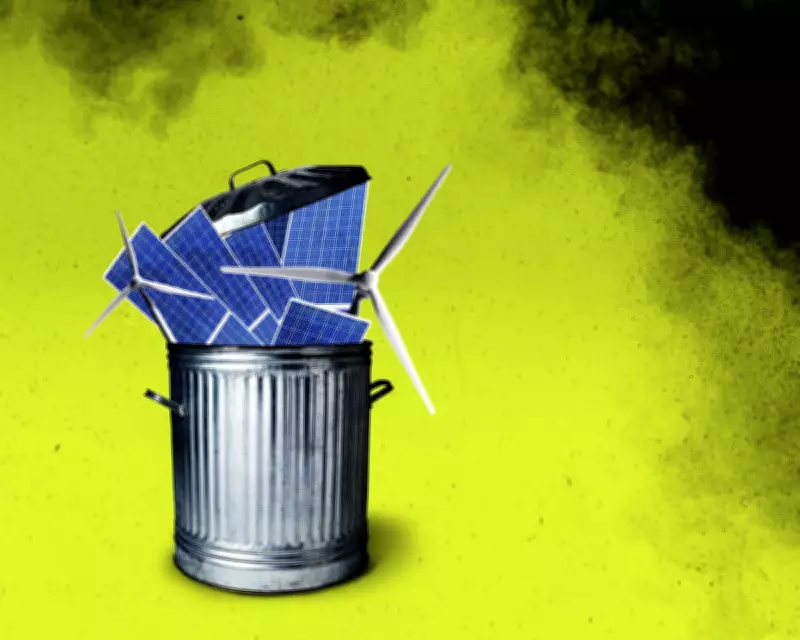
BHP quietly scrapped plans for an iron ore processing facility in the Pilbara that would have drastically reduced emissions, despite internal documents rating the project as having excellent social value and alignment with the company's climate goals.
The Jimblebar beneficiation plant was designed to improve the purity and quality of iron ore, which steelmakers globally, especially in China, increasingly demand to lower their carbon footprints. The project would have reduced scope-three emissions by 1.7 million tonnes annually, equivalent to taking more than 350,000 cars off the road.
Project Cancellation
In June 2025, BHP shelved the project, citing marginal economics and competition for capital. The cancellation is part of a broader pattern of BHP delaying or abandoning major emission-reduction initiatives, including a 50MW solar and 20MW battery project in the Pilbara that had board approval, and a nearly 500MW renewable energy system.
Leaked documents obtained by Guardian and Four Corners reveal that BHP has also continued purchasing polluting diesel trucks for its Pilbara operations, despite pledges to electrify the fleet, and has considered delaying investments needed to achieve net-zero emissions by 2050.
Industry Context
Chinese steelmakers face growing pressure to cut emissions, with the government expanding its emissions trading scheme to include steel and requiring increased use of green energy. The European Union's carbon border adjustment mechanism also raises costs for emissions-intensive Chinese steel, making green steel more competitive.
Australia's iron ore exports, worth A$100 billion in 2024, are predominantly hematite, which requires processing to enable green steelmaking. Experts say beneficiation plants like Jimblebar are crucial for reducing emissions in the steel supply chain.
Professor Christoph Nedopil from the University of Queensland noted that Chinese steel mills are seeking greener iron sources, and without meeting this demand, Australian producers may face market substitution or lower prices. Professor Yansong Shen from the University of New South Wales added that beneficiation is a practical, low-risk option to cut emissions, though it adds capital costs and environmental challenges such as water use and tailings storage.
BHP stated it made significant progress on scope-one and scope-two emission reductions, spending US$60 million on reducing potential scope-three emissions in 2024-25 and collaborating with 11 steel producers. The company is also exploring other decarbonisation pathways, including blast furnace abatement, carbon capture, and electric smelting furnaces.




