Berlin's Potato Flood: Record Harvest Sparks City-Wide Free Spud Giveaway
An extraordinary agricultural surplus has transformed Berlin into the unlikely epicentre of a potato phenomenon, as a record-breaking harvest leads to a massive, city-wide distribution of free spuds. Dubbed the Kartoffel-Flut or potato flood, this bumper crop—the largest in 25 years—has seen thousands of tonnes of potatoes being handed out across the German capital, from soup kitchens to zoos, in an effort to prevent waste and support communities.
The Surplus That Started It All
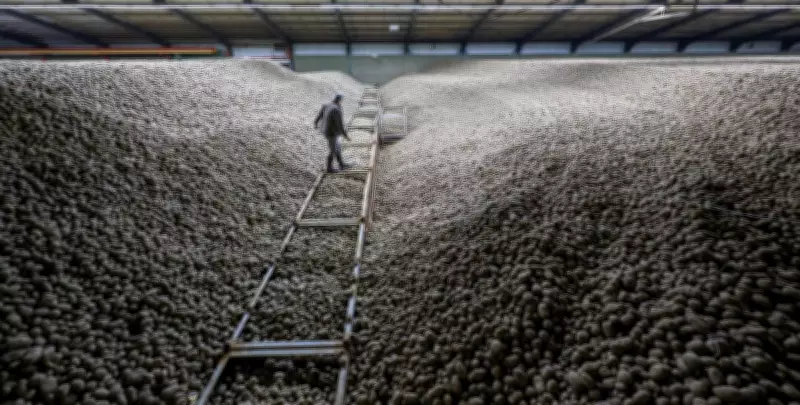
The initiative traces its roots to a single agricultural company, Osterland Agrar GmbH, which found itself with a staggering 4,000-tonne surplus of potatoes stored in a warehouse in Frohburg, near Leipzig. This glut emerged after a sale fell through at the last minute in December, leaving the farmer with an overwhelming stockpile. In response, a Berlin newspaper partnered with the eco-friendly not-for-profit search engine Ecosia to organise Operation 4000 Tonnes, a coordinated effort to redistribute the potatoes across Berlin.
Distribution points sprang up spontaneously around the city, with 174 locations set up to facilitate the giveaway. Residents, many feeling the pinch of rising living costs, flocked to these spots, filling sacks, buckets, and handcarts with free potatoes. Astrid Marz, a teacher from Kaulsdorf on Berlin's eastern edge, described the scene: "I stopped counting at 150. I think I've got enough to keep me and my neighbours going until the end of the year." Initially sceptical, she thought the social media posts were "some AI-generated fake news" until she saw the reality of the "huge mountains of 'earth apples'"—a fond Berlin term for potatoes.
A Community Effort Amid Arctic Chill
The potato giveaway has injected a sense of camaraderie and festivity into Berlin, even as the city grapples with an arctic cold snap that has disrupted travel and left pavements dangerously icy. Ronald, who collected potatoes for his family at Tempelhofer Feld, noted the "really party-like atmosphere", with people cheerily assisting each other with heavy loads and exchanging culinary tips. This community spirit has turned the operation into more than just a food distribution—it's become a social event that lifts spirits during a harsh winter.
Beneficiaries extend beyond individual residents to include a wide array of organisations. Soup kitchens, homeless shelters, kindergartens, schools, churches, and non-profits have all taken part, ensuring the surplus reaches those in need. Even Berlin zoo has joined the "rescue mission", accepting tonnes of potatoes to feed its animals, thereby diverting them from landfill or biogas production. Additionally, two lorry loads have been sent to Ukraine, highlighting the initiative's broader humanitarian impact.
Reviving the Humble Potato's Heritage
This potato flood has sparked a renewed appreciation for the humble tuber in Germany, where people consume an average of 63kg per person annually. It has revived historical tales, such as how Prussia's Frederick II issued the Kartoffelbefehl (potato decree) in the 18th century to promote cultivation, establishing potatoes as a staple despite initial scepticism over their texture and form. Online, recipes are flourishing as recipients brainstorm ways to use their bounty, from traditional soups to innovative dishes.
Celebrity Berlin chef Marco Müller of the Rutz restaurant sees this as an ideal moment to elevate the potato with Michelin-star treatment, using techniques like making broth from roasted peelings. Among the shared recipes is former Chancellor Angela Merkel's Kartoffelsuppe (potato soup), which she revealed in a 2017 interview, emphasising the importance of mashing potatoes by hand for a lumpy texture. This culinary revival comes as experts highlight the potato's nutritional benefits, such as vitamin C and potassium, countering recent trends that shun carbohydrates.
Criticism and Environmental Concerns
Despite the enthusiasm, the giveaway has faced criticism from local farmers, who argue that the Berlin market is now oversaturated, further devaluing their crops. Environmental lobbyists point to broader issues, suggesting the glut reflects a "warped and out-of-control food industry", reminiscent of the 1970s "butter mountains and milk lakes" when European policies incentivised overproduction. They note that while potatoes are in surplus this year, last year it was hops, and milk is predicted to be next, underscoring systemic challenges in agriculture.
As the initiative winds down, organisers urge participants to monitor their website for final distributions, with about 3,200 tonnes still available. This potato flood not only addresses immediate food waste but also sparks conversations about sustainable farming and community resilience, proving that even in times of surplus, the humble spud can bring people together in unexpected ways.