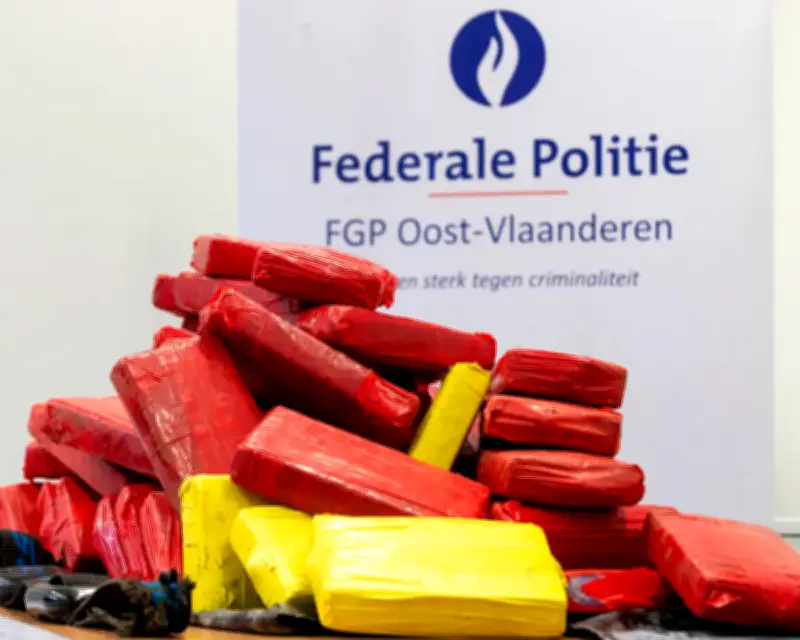
Short-term rental platforms such as Airbnb have been linked to a rise in crime and drug-related activity in Belgian cities, according to a new report that urges authorities to tighten oversight of the sector. The study, conducted by the Belgian Federal Police in collaboration with academic researchers, found that properties listed on short-term rental sites are increasingly being used by criminal networks for drug dealing, prostitution, and money laundering.
Key findings on criminal misuse
The report, which analyzed police records from 2021 to 2025, identified over 1,200 incidents involving short-term rentals, with a significant portion tied to drug offenses. In Brussels alone, authorities reported a 40% increase in drug-related complaints linked to such properties over the last two years. Gang members often rent apartments for a few days, using them as temporary bases for illegal activities, then move to new locations to avoid detection.
One of the report's authors, criminologist Dr. Sophie Lambert of the University of Leuven, stated: "Criminals exploit the anonymity and lack of on-site oversight that these platforms provide. The current verification processes are insufficient to prevent abuse." The report also highlighted that some hosts are complicit, knowingly renting to individuals who intend to use the property for criminal purposes.
Calls for stricter regulation
In response to the findings, the Belgian Minister of the Interior, Annelies Verlinden, has called for mandatory registration of all short-term rental properties and real-time reporting of guest identities to local authorities. "We cannot allow our cities to become safe havens for criminal activity," Verlinden said. "The platforms must share data with law enforcement to help us prevent these crimes."
The report also recommends that platforms like Airbnb implement more rigorous background checks on guests and hosts, as well as impose penalties for hosts who fail to comply with local regulations. However, Airbnb has pushed back, arguing that the majority of hosts are responsible and that the company has already introduced measures to combat illegal activity, including a 24/7 hotline for neighbors to report issues.
Impact on local communities and tourism
The findings have sparked concern among local residents and tourism officials. In cities like Ghent and Antwerp, neighborhood associations have reported an increase in noise complaints, littering, and a general feeling of insecurity near short-term rental properties. Some residents have called for a cap on the number of such rentals in residential areas, similar to regulations in cities like Amsterdam and Barcelona.
Tourism officials, however, worry that overly strict measures could harm the local economy, which relies heavily on visitors. The Belgian Hotel Association has expressed support for tighter rules, arguing that unregulated rentals create unfair competition. The government is now considering a legislative proposal that would require all short-term rental platforms to share booking data with municipal authorities, a move that could be implemented by early 2027. The report's authors hope that these measures will strike a balance between protecting communities and preserving the benefits of the sharing economy.