
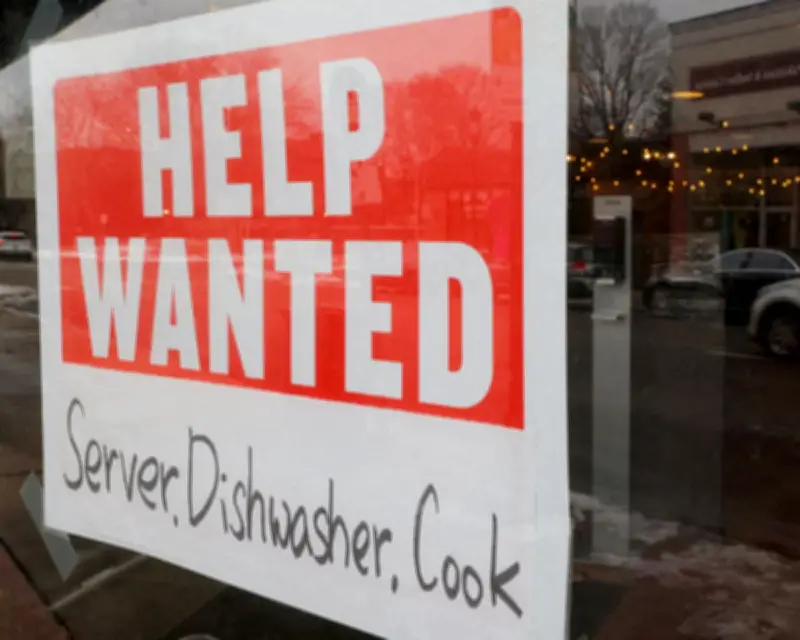
The National Federation of Independent Business reported that its Small Business Optimism Index dropped 0.6 points to 95.3 in May, reflecting growing pessimism among U.S. small-business owners. At the same time, 29% of owners said they had open positions they could not fill, the lowest level since the Covid-19 pandemic.
Workforce and cost pressures
In May, 13% of owners identified labor quality as their top issue, while 14% pointed to labor costs. Beyond workforce challenges, many owners cited inflation and rising fuel costs as squeezing margins.
Barrett Willits, 58, owner of Barry's Blind Factory in Huntsville, Alabama, said his business has been hit by declining sales and rising supply-chain costs. “Our suppliers have been bought out by a hedge fund that also owns Heinz. They shut down American-staffed manufacturing outlets and shifted production to Mexico. So now our shipments travel thousands of miles to us when they used to travel 100 miles. Every time you turn around, there is a new price increase, a new shipping rate, a new surcharge,” he said.
Fuel costs and travel impact
Tina Spears, a 73-year-old pet sitter in Anchorage, Alaska, said higher gas prices due to the U.S. and Israel's war on Iran have affected her business. “The gas prices exploded after this senseless war and my business has really been affected by the money I have to spend in order to get to the cats I visit. I raised my rates, which helps a little, but how high can I go when everything else is so expensive?” she said.
Roger, a 62-year-old bed-and-breakfast owner in Sevierville, Tennessee, said he has worked to minimize waste and manage costs without raising rates this year. However, he noted, “If costs continue to increase, then I will have no choice but to raise rates. In addition, if the cost of transportation continues to increase due to unrest in the Middle East, then my customer base will find it harder to justify traveling on vacation.”
Changing consumer behavior
Geoffrey, a 58-year-old plumber in northern California who employs two workers, said his business has shifted from profitable remodels to 80% plumbing emergencies. “My employees are complaining of not enough hours. We’re all adjusting to eating lighter and making our money stretch … I don’t know whether I will ever retire,” he said.
Katrina Oprisko, 56, owner of Earthwell Refills in San Diego, California, said she has become more strategic about inventory. “We are introducing new products to our store that hopefully will increase our profit. I’ve added a bit of delay in ordering. We’re being a bit more strategic about what comes in the door and when.” Despite steady foot traffic, customers are spending less.
Policy and retirement concerns
Braxtin Angelo, a 43-year-old mother with disabilities in Washington state who sells topical products, said the Trump administration has pushed her business to the brink. “After the election, not only did hope plummet with the knowledge that my communities’ care and visibility would start to struggle, but the ability to actually purchase did as well.” She added that tariffs impacted her ability to acquire quality items and that post office prices have escalated, making shipping unprofitable.
Keith Lam, 67, of Albuquerque, New Mexico, who operates a hearing-aid dispensing clinic with his wife, said he has been unable to find a buyer. “We planned to sell the business and retire this year or next year, but due to the current economic condition, it is hard to find a buyer. The business is very slow, we can barely keep ourselves afloat.” They have reduced operating hours to two days a week to save costs.




