
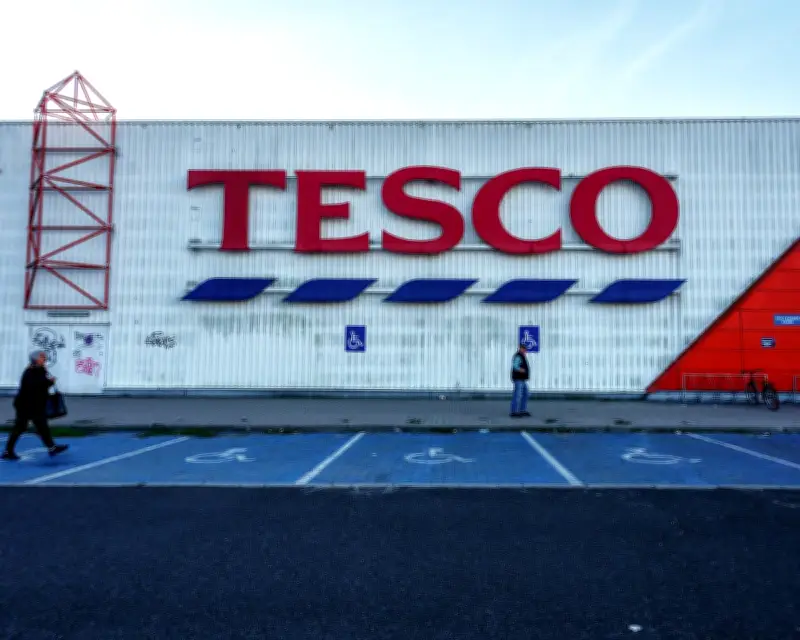
Tesco is reportedly exploring the sale of its central Europe operations, which include 560 stores in Czechia, Slovakia, and Hungary, according to the Financial Times. This would mark the latest retreat from an overseas empire that once spanned Asia, the US, and Europe.
From global ambitions to domestic focus
In 2007, then-CEO Sir Terry Leahy declared Tesco on the threshold of becoming a major international retailer, predicting half of group revenues would come from abroad within a decade. The company had operations in Japan, China, Thailand, South Korea, Malaysia, Czechia, Poland, Slovakia, Hungary, and Turkey, plus a US venture, Fresh & Easy.
Today, only the central Europe division remains outside the UK and Ireland, and even that may be sold. The shift reflects several factors: the disastrous Fresh & Easy experiment, which cost over £1bn; the 2014 accounting scandal that eroded confidence; and the sale of South Korean Homeplus in 2015 for £4.2bn and Thai/Malaysian operations in 2020 for £8bn.
Domestic challenges and strategic shifts
Tesco also faced renewed competition from German discounters Aldi and Lidl in the UK, as well as the potential threat from Amazon in food retailing. These pressures forced management to focus on the domestic market.
Shareholders have benefited: Tesco's share price has doubled in the past five years. The company's UK market share stands at 28.2%, according to Worldpanel, more than Sainsbury's (15.2%) and Asda (11.5%) combined.
Regulatory assistance and future outlook
The 2018 acquisition of Booker for £3.7bn, approved by competition regulators, has further strengthened Tesco's position. The company is reportedly targeting a 30% market share through growth in online, convenience, and wholesale channels.
"As an investment proposition, it is very simple: keep beating up the over-leveraged, private equity-owned duo of Asda and Morrisons, null the discounter threat with 'Aldi price match' offers and direct excess cash at share buy-backs," notes Nils Pratley. The CEO can collect £10m in annual pay while shareholders remain content.
The difficulty of international food retail
Overseas food retailing has proven challenging, as Tesco discovered in China where local retailers better understood local tastes. Even in central Europe, the business has been "going roughly sideways." The sale of Tesco Bank to Barclays further streamlines operations.
"Nobody will complain if the decluttering exercise... now extends to central Europe. The empire-building dreams died a long time ago," Pratley concludes. Domestic dominance, as demonstrated by Walmart's uninspired ownership of Asda, offers superior returns on invested capital.




