
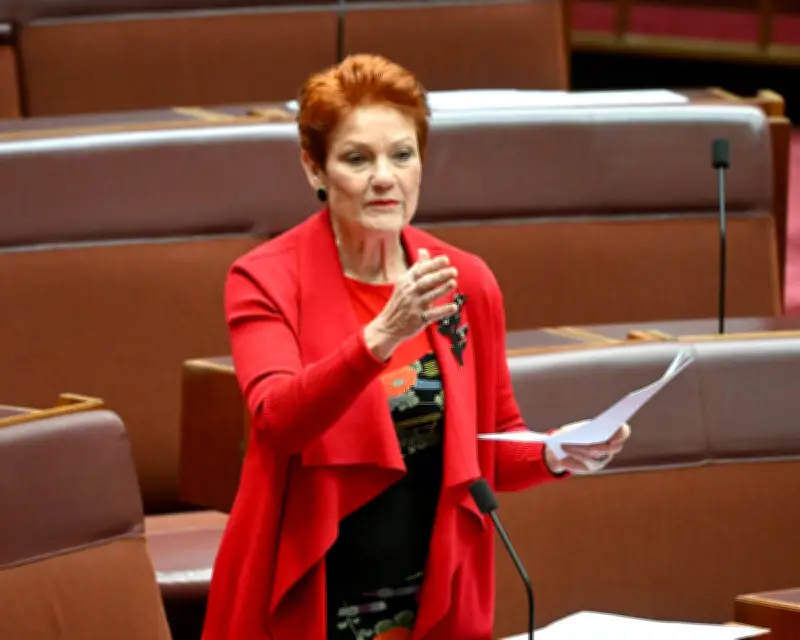
One Nation leader unveils parental leave proposal
Pauline Hanson, leader of One Nation, has proposed a new parental leave scheme that would be funded by a levy on small businesses. The plan, announced on Wednesday, aims to provide 26 weeks of paid parental leave at the minimum wage, with costs covered by a 1% levy on businesses with an annual turnover between $2 million and $10 million.
Details of the proposal
Under the proposal, businesses with a turnover below $2 million would be exempt, while those above $10 million would not be subject to the levy but would be expected to provide their own parental leave. Hanson argued that the current system is unfair to small business owners who struggle to afford paid leave for employees.
“Small businesses are the backbone of our economy, but they are being crushed by red tape and costs,” Hanson said. “This plan ensures that new parents get the support they need without putting an unfair burden on small business owners.”
Reactions from business groups and politicians
The proposal has drawn mixed reactions. The Council of Small Business Organisations Australia (COSBOA) expressed concern about the levy, warning it could increase costs for struggling businesses. “While we support parental leave, a new tax on small businesses is not the answer,” said COSBOA CEO Peter Strong. “We need to find a more sustainable way to fund this.”
Labor and the Greens have criticised the plan, arguing it would shift the burden from the government to small businesses. “Pauline Hanson is trying to pit working families against small business owners,” said Labor’s spokesperson for employment. “The government should fund parental leave through general revenue, not through a new tax.”
The Coalition government has not yet commented on the proposal, but Treasurer Jim Chalmers indicated that the government is considering broader reforms to parental leave.
Economic impact and feasibility
According to analysis by the Parliamentary Budget Office, the levy could raise approximately $1.2 billion per year, enough to fund the proposed scheme. However, critics argue that the administrative burden of collecting the levy could offset these gains.
The proposal comes as Australia debates the future of parental leave, with many calling for an extension of the current 18-week government-funded scheme. Hanson’s plan would double the paid leave period but shift the funding source away from general taxation.
Next steps
Hanson said she would introduce the proposal as a private member’s bill in the Senate. The bill is unlikely to pass without government support, but it highlights the growing political focus on parental leave reform in the lead-up to the next federal election.




