
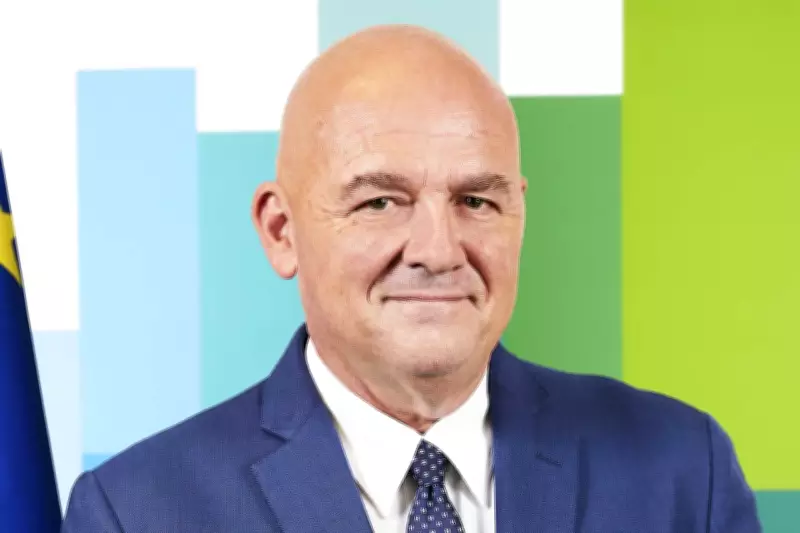
Euronext's chief executive has indicated that the exchange operator sees limited opportunities for further acquisitions in the near term, citing regulatory hurdles and a constrained market environment. Speaking at a financial conference, the CEO emphasized that while Euronext remains open to strategic opportunities, the current landscape does not present many viable targets for consolidation.
Regulatory Challenges and Market Dynamics
The CEO pointed to increased scrutiny from competition authorities and the complexity of cross-border mergers as key barriers. He noted that the European exchange market is already highly consolidated, making it difficult to find deals that would deliver significant value without facing antitrust issues. Additionally, the focus on technology investments and organic growth has become a priority for Euronext, diverting attention from large-scale M&A.
Strategic Focus on Technology and Services
Instead of pursuing acquisitions, Euronext is investing heavily in its technology infrastructure and expanding its post-trade services. The company aims to enhance its data analytics and trading platforms to better serve clients and improve operational efficiency. This strategy aligns with broader industry trends where exchanges are diversifying revenue streams beyond traditional listing and trading fees.
The CEO also highlighted the importance of partnerships and collaborations as alternatives to full acquisitions. By working with fintech firms and other financial institutions, Euronext can access new capabilities without the regulatory and integration risks associated with buying entire companies. This approach allows for more flexibility and faster adaptation to market changes.
- Regulatory constraints limit cross-border exchange deals.
- Focus on organic growth and technology investments.
- Partnerships offer viable alternatives to acquisitions.
Despite the limited acquisition opportunities, Euronext remains confident in its growth prospects. The company reported solid financial results in the latest quarter, driven by increased trading volumes and higher revenue from data services. The CEO expressed optimism about the future, emphasizing that Euronext's diversified business model positions it well for long-term success.




