
Global legal disputes over 'squatted' web addresses have surged dramatically, reaching 6,282 cases last year as major corporations, particularly in the fashion sector, intensify their battle against counterfeit operations. According to exclusive data from intellectual property firm Mathys & Squire, these disputes have risen by a striking 49 per cent over the past five years, escalating from 4,204 cases, and have skyrocketed by 128 per cent over the last decade, up from just 2,754 cases.
The Rising Tide of Digital Impersonation
Fraudsters are increasingly establishing websites with names that closely mimic legitimate brands to peddle counterfeit products. These illicit offerings range from luxury handbags and high-end clothing to pharmaceuticals, including popular weight-loss medications like Ozempic and Mounjaro. As fraudulent activities proliferate, businesses are increasingly resorting to legal avenues to protect their intellectual property and consumer trust.
Major Players Take Legal Action
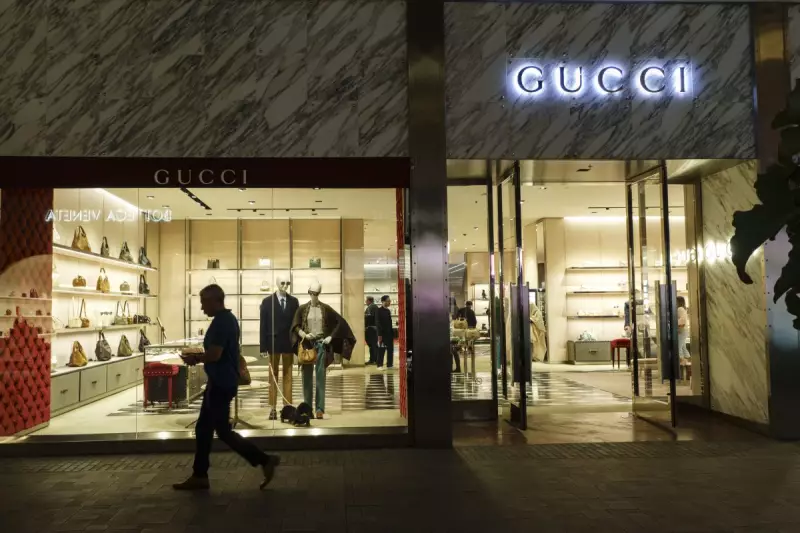
Last year witnessed significant legal offensives from industry leaders. Italian fashion house Gucci initiated 20 separate cases, while Spanish retail giant Inditex, the parent company of Zara, launched 5 cases. Pharmaceutical heavyweight Eli Lilly, responsible for the weight-loss injection Mounjaro, was also actively involved, pursuing 25 cases to safeguard its brand integrity.
AI Amplifies the Threat
Legal experts have issued stark warnings about the evolving nature of these scams. Claire Breheny, Head of Trade Marks at Mathys & Squire, highlighted that 'bad actors' can now leverage artificial intelligence to create fraudulent websites within minutes, dramatically lowering the technical barriers for impersonation schemes. This technological advancement poses a formidable new challenge for brand protection teams worldwide.
Why Domain Squatting is Exploding
Breheny further explained that the surge in disputes is being fuelled by the rapid proliferation of global domain extensions. The introduction of new suffixes such as .shop, .online, and .tech has expanded the digital landscape exponentially. This constantly growing array of available domains means that businesses often struggle to monitor and secure all potential registrations that could be associated with their valuable brands.
The UK Landscape
In the United Kingdom, domain squatting remains a pressing concern. Cases brought by UK companies before the World Intellectual Property Organisation (WIPO) have doubled over the past decade, climbing from 229 to 450 instances. This significant increase underscores the persistent and growing threat faced by British businesses in the digital arena.
'These figures demonstrate that brands simply cannot afford complacency,' Breheny emphasised. 'The advent of AI, combined with the ability for malicious actors to establish fraudulent sites almost instantaneously, creates an environment where vigilance and proactive legal strategies are more crucial than ever.'




