Diageo Implements Dividend Reduction as New CEO Dave Lewis Takes Charge
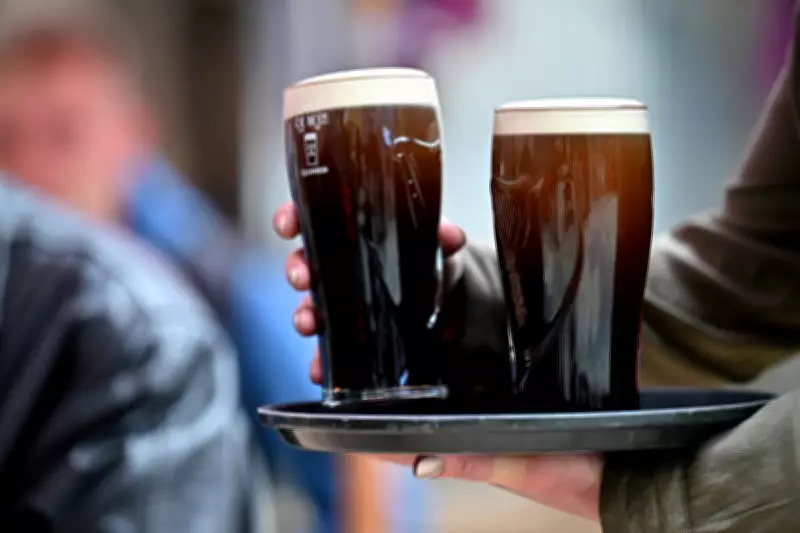
Guinness producer Diageo has announced a significant dividend cut as part of the cost-cutting measures initiated by its newly appointed chief executive, Dave Lewis, who assumed leadership in January. The board described this move as a "difficult" decision aimed at accelerating the strengthening of the company's balance sheet, revealed in its interim results—the first financial update since Lewis took the helm.
Financial Performance and Market Challenges
The FTSE 100 giant, which owns popular spirit brands such as Smirnoff, Johnnie Walker, and Captain Morgan, has been grappling with tight margins in recent years. Consumers are increasingly turning to low-alcohol alternatives and more affordable brands, contributing to a challenging market environment. In the six months leading up to December 2025, Diageo reported a four per cent drop in sales, exceeding analyst forecasts of a three per cent decline.
Net sales for the period stood at $10.5 billion, with an operating profit of $3.1 billion, marking a 1.2 per cent decrease. The board attributed this decline to adverse market conditions and the impact of tariffs. Over the past twelve months, Diageo's stock has fallen by more than 15 per cent, with a notable drop in November following a revision of its 2026 operating profit growth to low-to-mid single digits.
Regional Sales Variations and Tariff Impacts
While Diageo previously relied on strong sales in Latin America and the Caribbean, recent performance has shifted. The latest results indicate a pickup in these regions, with sales growing by 6.3 per cent in Latin America and the Caribbean and 4.9 per cent in Europe. However, this was offset by declines in other key markets.
North America, which accounts for 36 per cent of Diageo's total sales, experienced a 7.4 per cent drop in net sales. Similarly, the Asia Pacific region, representing 18 per cent of the market, saw a 13 per cent fall. The company cited macroeconomic uncertainty, geopolitical tensions, and weak consumer confidence in these areas as primary factors.
Tariffs continue to pose a significant challenge, with Diageo previously warning of a $200 million annual hit from U.S. import tariffs on UK and European goods. Although a recent Supreme Court ruling deemed these tariffs unlawful, the company stated it is too early to update its forecasts, noting ongoing monitoring of developments and potential future increases.
Strategic Rationale Behind the Dividend Cut
Dave Lewis, known as 'Drastic Dave' for his rigorous cost-cutting approach during his tenure at Unilever and his successful turnaround of Tesco from 2014 to 2020, emphasized the need for financial flexibility. He stated, "To deliver on these opportunities, we need to create more financial flexibility. Accordingly, the Board has taken the difficult decision to reduce the dividend to a more appropriate level which will accelerate the strengthening of our balance sheet."
Lewis expressed confidence that this action will reinforce Diageo's position as a leading international spirits business and drive stronger shareholder value in the coming years. He replaced Debra Crew, who stepped down abruptly in July after just two years in charge.
Analyst Perspectives and Future Outlook
Dan Lane, lead analyst at Robinhood UK, commented on the move, saying, "Reducing the dividend never looks good, but Dave Lewis was brought in to make the hard decisions, and if it steadies the ship, it may be worth the short-term pain. Until volumes and prices start to motor again, this looks more like Diageo trying to regain its footing rather than the start of a new growth leg. Expect to see a few more reviews of business units—cost control is key, and underperforming brands may well get the chop."
This dividend reduction marks a pivotal moment for Diageo as it navigates market pressures and implements strategic changes under new leadership, aiming to stabilize and revitalize its financial performance in a competitive global spirits industry.