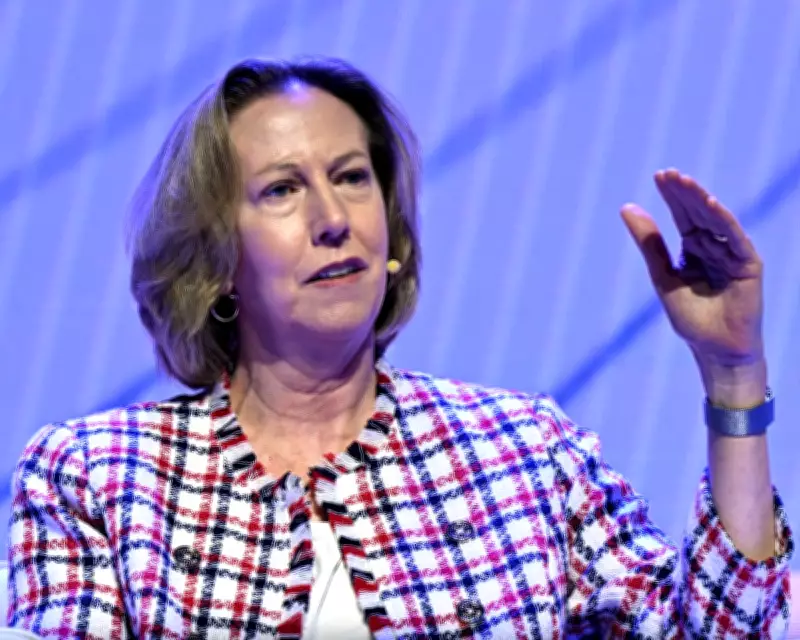
BP's New Chief Executive to Receive £11.7m in First Year, Surpassing Predecessor's Earnings
Meg O'Neill, the incoming chief executive of BP, is set to earn a minimum of £11.7 million in her inaugural year at the helm of the global oil giant. This substantial compensation package more than doubles the £5.3 million received by her predecessor, Murray Auchincloss, highlighting a significant shift in executive remuneration at the 117-year-old company.
Historic Appointment and Compensation Details
O'Neill will join BP in April from Woodside Energy, an Australian oil firm, marking a historic moment as she becomes the first woman to serve as CEO in BP's long history and the first external hire for the top position. Her base salary is set at £1.6 million, slightly above Auchincloss's, but the bulk of her earnings stem from share awards accrued in her previous role.
These awards include £8.3 million from performance shares scheduled to vest in 2027 and 2028, along with an additional £1.8 million covering expected share values for 2029 through 2031. This structured pay approach underscores the competitive landscape for top talent in the energy sector.
Leadership Turmoil and Shareholder Pressures
O'Neill steps into a role marked by recent instability, as BP has seen three chief executives in under five years. Auchincloss departed late last year after less than two years, following the abrupt exit of Bernard Looney in September 2023. Interim leadership was provided by Carol Howle, BP's head of trading, until O'Neill's arrival.
As the new CEO, O'Neill faces mounting pressure from disgruntled shareholders to revitalize BP's performance. The company has struggled with a floundering share price and lagged behind rivals like Shell, particularly after its failed push toward a greener energy agenda. This vulnerability attracted attention from activist hedge funds, such as Elliott Management, and sparked takeover rumors.
Industry Challenges and Financial Context
BP's financial woes are part of a broader industry trend, with oil companies reporting weaker profits in recent years due to falling global oil prices. In 2025, BP's underlying earnings dropped to just below $7.5 billion, down from nearly $9 billion in 2024, leading to the suspension of shareholder buybacks—a first among major oil firms.
However, oil prices have surged recently, averaging $69 a barrel last year but climbing to just below $89 this week. This spike follows geopolitical tensions, including Iran's blockade of the Strait of Hormuz in retaliation against attacks by the US and Israel, impacting global trade routes.
Strategic Shifts and Future Outlook
O'Neill's appointment, announced late last year shortly after Albert Manifold took over as board chair from Helge Lund, signals a potential strategic realignment for BP. With her background at ExxonMobil and Woodside Energy, she is expected to navigate the company through ongoing challenges in the energy market while addressing shareholder concerns over profitability and sustainability.
As BP aims to recover from its green energy missteps and competitive setbacks, O'Neill's leadership will be closely watched by investors and industry analysts alike, with her compensation package reflecting the high stakes involved in steering one of the world's largest oil companies.