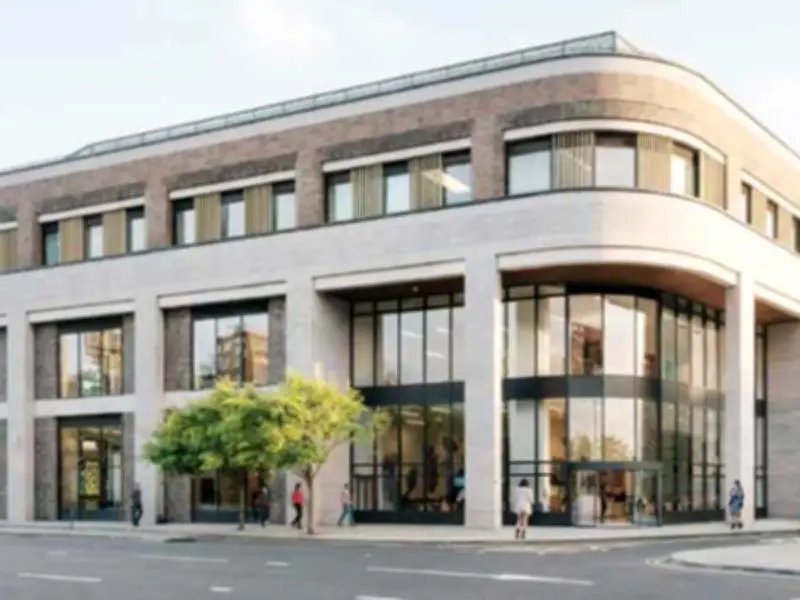
The cost of redeveloping Bridge Park Leisure and Community Centre in Stonebridge, North London, has increased significantly since the budget was first approved in 2019, Brent Council has confirmed. The original £50m budget for both phases of the project has risen to £53.5m for Phase 1 alone, which includes the construction of a new leisure centre. Phase 2, which involves a new adult education and community building, has yet to have its cost announced.
Reasons for cost increase
According to council documents, the budget changes are due to “significant cost increases” in the construction industry, driven by national and international events impacting inflation, as well as a greater understanding of the “constraints of the site and buildings”. The redevelopment is part of the wider £600m Hillside Regeneration Corridor, which includes more than 1,000 new homes, a hotel, a public park, and retail space.
Funding and borrowing
To fund the Bridge Park redevelopment, the council is seeking Cabinet approval to use £39m of Strategic Community Infrastructure Levy (SCIL) funds—money paid by developers when new building projects are approved—alongside £2.5m of borrowing. The council acknowledges that £39m is a “significant use of SCIL”, which will reduce funds available for other projects, but notes that there is sufficient allocation, including a “pipeline allocation” of £47.9m for the wider Hillside Corridor development. Council officers are exploring alternative funding sources, such as Sport England and increased revenue from land sales, which could reduce the SCIL requirement. The £2.5m borrowing, assuming 5% interest and 4% repayment charges, is expected to add £250,000 to revenue budgets, covered by a surplus in management and operational budgets.
Improved facilities
Following a review of the initial design, the new leisure centre will include a 25m, six-lane swimming pool; a teaching pool; fitness suite; four-court sports hall; exercise studios; steam room and sauna; wet and dry changing rooms; and a café. On-site work is not expected to start until April 2028.
Heritage controversy
The proposed loss of the existing centre has been highly controversial due to its significance to London's Black history. Until 1995, it was the largest Black-led community enterprise in Europe, created by the Harlesden People's Community Council (HPCC). HPCC launched a campaign in 2024 to have the centre recognised as a national heritage site, but Historic England decided against listing it. The Secretary of State for Culture, Media and Sport, Lisa Nandy MP, upheld that decision, though an appeal has been lodged. The council document states that until the appeal is determined, “the original decision not to list stands”.
Council commitment
In a foreword to the council report, Cabinet Member for Regeneration and Planning Cllr Matt Kelcher and Cabinet Member for Community Safety and Public Health Cllr Liz Dixon said: “The council needs to provide and future proof its leisure facilities to allow Brent’s residents to have access to as many opportunities as possible to improve their health. The new Bridge Park Leisure Centre will contribute to this by providing modern, accessible and publicly available facilities within a part of the borough where the evidence identifies significant health, activity and deprivation-related need. The council recognises and appreciates the role that Bridge Park has played in an important chapter in Black British history and the community’s achievements in creating this space in the 1980s to empower local Black residents. We are committed to working with the community to ensure this history is celebrated within the new development.”