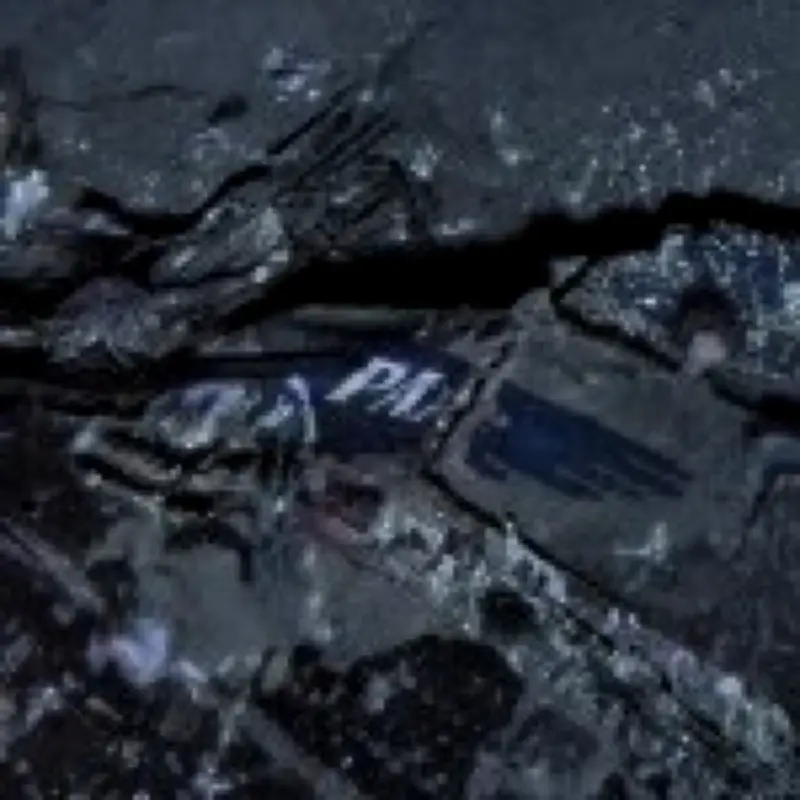
The wreckage of a Pan American Airways plane that crash-landed in the Atlantic Ocean more than seven decades ago has finally been located. The Clipper Endeavor, a Douglas DC-4 aircraft, was bound for New York when it suffered multiple engine failures shortly after takeoff on April 11, 1952, and plunged into the sea. While all 69 passengers and crew survived the initial impact, the plane sank rapidly, dragging many occupants underwater. Only 17 people lived through the disaster.
Expedition locates sunken aircraft
An expedition led by the Air/Sea Heritage Foundation, in partnership with the Discovery Channel's Expedition Unknown show and other organizations, used an autonomous drone to find the wreckage on June 2, 2026. The aircraft was discovered approximately 2,000 feet below sea level off the coast of Puerto Rico. The drone first detected the plane's fuselage and tail, leading to the discovery of the rest of the aircraft, which had broken into two sections.
Russ Matthews, president of the Air/Sea Heritage Foundation, said: 'We are all stunned and elated by this discovery, yet also humbled to remember what happened in that place so long ago.' The wreckage was confirmed as the Clipper Endeavor in a follow-up photographic survey that captured images of the Pan Am logo and the aircraft's name on the fuselage.

Research narrows search area
The discovery came after researchers found records from a public hearing in Puerto Rico, including a map drawn by air force pilots who had witnessed the crash and weather data. This information allowed teams to focus their search on a 10-square-nautical-mile area. The autonomous drone played a crucial role in pinpointing the wreckage.
Expedition Unknown host Josh Gates expressed his excitement: 'To have a front-row seat to an expedition like this as it's unfolding is tremendous, and so I feel really lucky that we were able to be a part of it.'
Legacy of safety improvements
The crash led to significant changes in commercial aviation safety procedures. Airlines are now required to outline the location of emergency exits and life vests, as well as how to inflate them. Gates added: 'Every time you step onboard an airplane today, you are safer because of what happened to Clipper Endeavor and her passengers three-quarters of a century ago.'