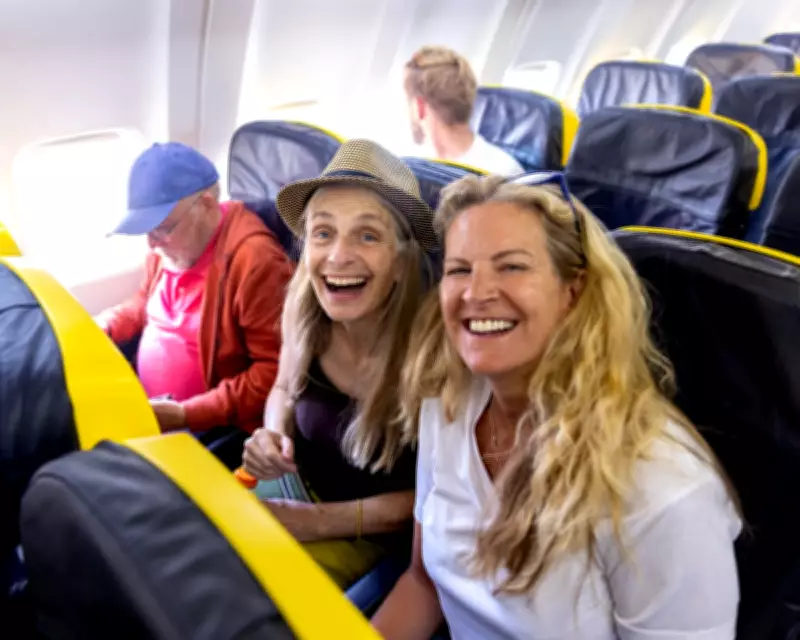
While most air travellers dread being assigned the middle seat, a growing number of passengers are actively choosing this traditionally unpopular position. This counterintuitive preference reveals fascinating insights into human behaviour and modern travel psychology.
The Middle Seat Philosophy
In an era where airlines increasingly charge extra for seat selection, voluntarily opting for the middle position might seem perplexing. However, advocates of this approach cite multiple advantages that challenge conventional wisdom about air travel comfort.
Practical and Ethical Considerations
Some middle-seat enthusiasts argue this position offers the best of both worlds: potential window views combined with relatively easier access to the aisle compared to window seats. More controversially, they claim what they call "ethical entitlement" to both armrests, though this assertion often meets resistance from neighbouring passengers.

Psychological Benefits
For other travellers, choosing the middle seat represents an exercise in Zen-like humility. James Cashen, a middle-seat advocate who shared his philosophy on TikTok, explains: "Be grateful that you're flying and that's it." This approach involves relinquishing what some call "main-character energy," potentially making the travel experience less stressful through acceptance rather than resistance.
The Social Dimension
Cashen reveals his secret coping strategy involves embracing what he terms a "leadership role" by initiating conversations with seatmates. "You're the glue," he suggests, though he clarifies this means going with the flow rather than forcing interaction. This perspective challenges the common travel approach of burying oneself in books or devices with noise-cancelling headphones.
The Science of Stranger Interaction
Psychologist Dr Gillian Sandstrom, author of an upcoming book about talking to strangers, enthusiastically supports the benefits of such interactions. Her research indicates that engaging with strangers can enhance learning, create connections, stimulate creativity, and increase comfort with uncertainty and potential rejection.
While not a voluntary middle-seater herself, Sandstrom embraces these opportunities when they arise naturally. She recently learned about US cross-country bike racing from a Polish seatmate, discovering that "Kentucky has the most courteous drivers, but also the scariest dogs."
Practical Tips for Engagement
For those interested in what some call "strangermaxxing" or "frictionmaxxing" - deliberately embracing potentially awkward situations - Sandstrom offers practical advice. She suggests engaging either during take-off or near landing by asking simple questions about duty-free purchases or destination tips. Even asking "What do you think of middle-seat people?" could spark interesting conversations.
Broader Implications
This middle-seat phenomenon connects to larger 2026 trends encouraging people to embrace friction and inconvenience in their lives. The voluntary choice of less comfortable travel arrangements represents a microcosm of this movement, suggesting that reduced convenience might paradoxically lead to greater happiness through unexpected human connections and personal growth opportunities.
The middle seat, long considered aviation's least desirable real estate, might actually offer unique opportunities for those willing to approach it with the right mindset. Whether through claimed practical advantages, psychological benefits, or social possibilities, these unconventional travellers are rewriting the rules of air travel comfort and connection.