More than a decade after one of aviation's greatest mysteries began, a new deep-sea search for Malaysia Airlines flight MH370 has officially commenced. The Malaysian government confirmed that a specialised vessel has arrived at a secret location in the southern Indian Ocean to restart the hunt for the missing Boeing 777.
A New Phase in a Prolonged Mystery
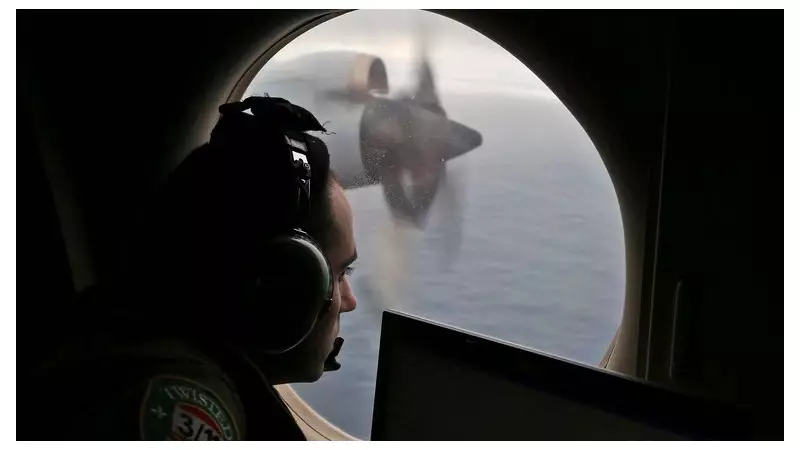
The search vessel, named the Armada 86 05, departed from Fremantle Port in Western Australia and is now stationed at a designated, but undisclosed, search area. It is equipped with two advanced autonomous underwater vehicles (AUVs), operated by the American marine robotics company Ocean Infinity.
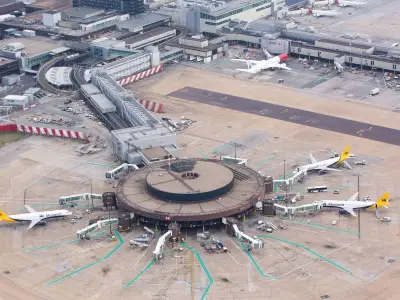
This marks the latest effort to locate the aircraft, which vanished on 8 March 2014 with 239 people on board shortly after taking off from Kuala Lumpur International Airport bound for Beijing. Satellite data later indicated the plane dramatically deviated from its planned route, heading south over the remote southern Indian Ocean, where it is believed to have crashed.

The "No-Find, No-Fee" Mission
The Malaysian transport ministry has engaged Ocean Infinity under a unique "no-find, no-fee" contract. The company will only receive a payment of $70 million (approximately £53 million) if it successfully locates wreckage from the flight. This high-stakes agreement follows Ocean Infinity's own unsuccessful private search mission back in 2018.
Earlier in 2025, the firm briefly resumed seabed operations in a new 5,800-square-mile zone of the ocean. However, that effort was suspended in April due to severe weather conditions, highlighting the immense technical and environmental challenges of the operation.
Oliver Plunkett, Ocean Infinity's chief executive, stated last year that his team had collaborated with multiple experts to refine and narrow the search area to what they now consider the most probable crash site. The company has confirmed the resumption of the search but declined to provide further details, citing the operation's sensitive nature.
A Decade of Unanswered Questions
The original multinational search, led by Australia, was one of the most extensive in history but failed to find the main wreckage. While several pieces of debris confirmed to be from MH370 washed ashore on coastlines of East Africa and Indian Ocean islands, the core mystery of the plane's final resting place and the reason for its disappearance remains unsolved.
For the families of the 227 passengers and 12 crew, this new 55-day, intermittent search represents a renewed, if fragile, hope for closure eleven years after their loved ones were lost. The world will be watching to see if cutting-edge technology can finally solve an aviation enigma that has captivated and confounded investigators for over a decade.