
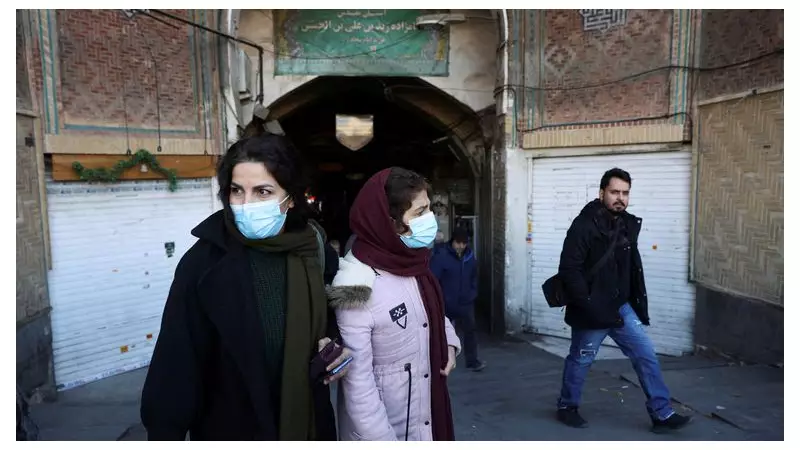
Economic Fury Erupts in Iran as Protests Enter Fourth Day
Iran has been rocked by its most significant wave of public unrest since 2022, as protests over a severe economic crisis reached their fourth consecutive day on Wednesday, 31 December 2025. The demonstrations, triggered by a collapsing national currency and spiralling inflation, saw protesters attempt to storm a local government building in southern Iran.
Clashes and Arrests in Fars Province
According to Iranian state media, the flashpoint occurred in the city of Fasa in Fars province. An organised group attempted to break into the local governorate building, but security forces intervened to repel the attack. State media reported that the leader of the group, identified as a 28-year-old woman, was arrested.
Further details from the Tasnim news agency cited a local official stating that four "attackers" had been detained and three security force members were wounded during the clash. The governor of Fasa attributed the protests to inflation and economic conditions, alleging that individuals "influenced by hostile channels and media" had participated, but claimed the situation was now back to normal.
A Government Offer of Dialogue Amid Economic Collapse
In a notable departure from its usual response to civil unrest, the Iranian government offered on Tuesday to establish a "dialogue mechanism" with protest leaders. This comes after authorities have typically deployed fierce security measures and mass arrests during previous protest movements.
The current wave of discontent, the first major protests since June 2025, began on Sunday. It was initially driven by shopkeepers and traders in the capital, Tehran, who were enraged by the Iranian rial losing nearly half its value against the dollar in 2025 and inflation hitting 42.5% in December. They have since been joined by students, with Monday's protests being the largest since the 2022 demonstrations following the death of Mahsa Jina Amini.
The economic turmoil has direct consequences for daily life, pushing up the cost of food and essentials. Iran's economy has been under severe strain from US sanctions re-imposed in 2018, aimed at curbing its nuclear programme. The pressure culminated in the resignation of Central Bank governor Mohammad Reza Farzin on Monday, who was replaced by former economics minister Abdolnasser Hemmati.
As 2025 draws to a close, the Iranian government faces a critical test: managing an economic catastrophe that has spilled onto the streets, with a population increasingly willing to voice its anger directly at state institutions.




