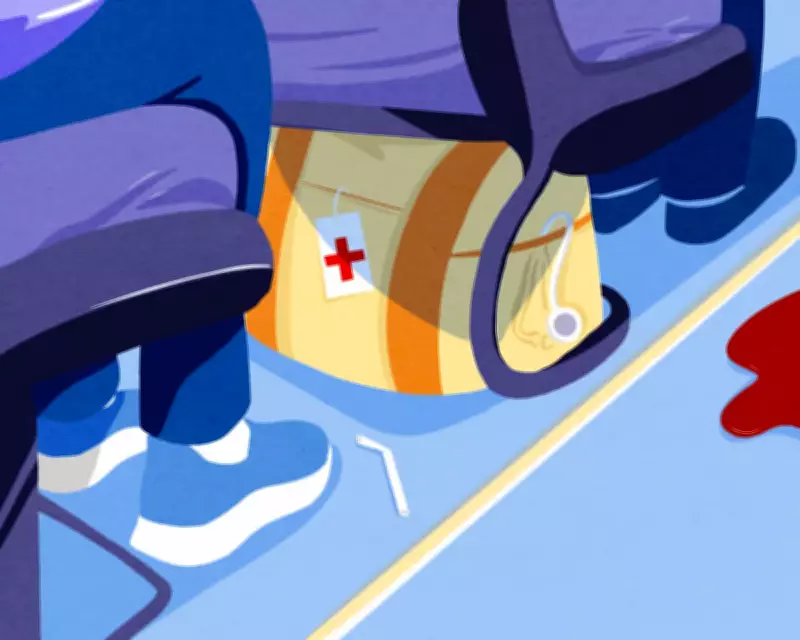
For many medical professionals, the announcement "Is there a doctor on board?" during a commercial flight is a moment of dread, not heroism. This call to action in the confined, high-altitude environment of an aircraft presents unique challenges that go beyond typical emergency medicine.
The Reality of Responding at 35,000 Feet
When a passenger falls ill mid-flight, cabin crew are trained to provide basic first aid and use onboard medical kits. However, for serious conditions, they rely on volunteer medical professionals among the passengers. These doctors, nurses, and paramedics must work with limited resources, often just a basic emergency kit containing items like a stethoscope, blood pressure cuff, and some medications.
Legal and Ethical Quandaries
Medical professionals who respond face complex legal and ethical dilemmas. While Good Samaritan laws in many jurisdictions offer some protection for those acting in good faith, the specifics vary by country and airline. There is also the ethical burden of making critical decisions without full diagnostic tools or the ability to consult colleagues.

Furthermore, the professional is often acting outside their usual specialty—a dermatologist might need to manage a cardiac event, or a paediatrician an adult stroke. This adds layers of stress and potential liability concerns that can make professionals hesitant to come forward.
The Strain on Cabin Crew and Systems
The incident highlights the immense pressure on cabin crew during such events. They must manage the emergency, communicate with the flight deck, and potentially coordinate an unscheduled landing, all while maintaining calm among other passengers. Airlines have protocols and can access ground-based medical support via radio or satellite phone, but the in-the-moment decisions fall to those on the plane.
A Look at the Numbers and Training
While exact statistics are hard to pin down, studies suggest in-flight medical emergencies are not exceedingly rare, with estimates ranging from one per 10,000 to 60,000 passengers. Common issues include fainting, respiratory problems, and cardiac symptoms. In response, some airlines and aviation bodies have enhanced training for crew and are exploring better telemedicine links to provide real-time expert guidance from the ground.
The story of the mid-air emergency call is a stark reminder of the vulnerabilities of air travel and the quiet courage of medical professionals who, despite the risks and fears, often still answer that daunting call for help.