Self-Driving Taxis and Buses Coming to UK Roads
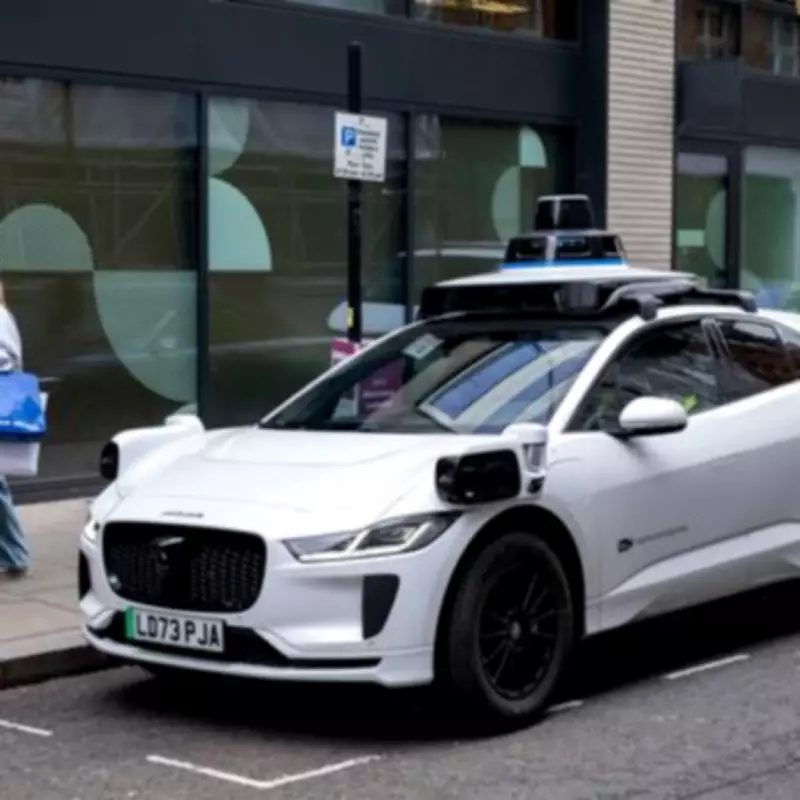
Passengers in London may be able to book self-driving taxis and bus-style vehicles later this year as operator applications open in a UK-wide scheme. The UK government announced today (22 May 2026) that applications are now open for companies to run self-driving taxi, bus and private hire services on roads across the United Kingdom.
London Pilot Scheme Details
As part of the government pilot scheme, Londoners could book autonomous rides later this year. Any services operating in London will need approval from Transport for London before launch. Companies linked to the rollout include Uber, Waymo and UK-based Wayve. Uber said Londoners could get the chance to try autonomous rides “this year”, while Waymo expressed hope to become part of London’s transport network.
Safety and Economic Impact
The government states the pilot aims to test self-driving vehicles in real traffic conditions, including busy urban streets, while gathering safety data. The Department for Transport (DfT) said the move will create thousands of jobs and unlock billions for the economy by 2035. The technology is believed to offer greater freedom and independence for older and disabled people, as well as expanding travel options for work and leisure. Human error currently contributes to 88% of collisions in the UK, the DfT added, and self-driving vehicles could transform road safety.

Recent Incidents and Oversight
Self-driving cars have faced scrutiny after reported near misses. In April, a Waymo trial vehicle drove through a live police cordon on Harlesden High Street while officers investigated a double stabbing. Waymo said the car was in manual mode with a validation driver in full control, who has since been suspended pending investigation. The new pilot scheme will gather real-world evidence on how autonomous vehicles operate on everyday roads, navigating traffic and carrying passengers safely. Services will be subject to government approval checks, including safety assessments for cyber and security threats.
Government and Industry Reactions
Simon Lightwood, Roads and Buses Minister, said: “Self-driving vehicles represent a transformative opportunity for Britain, opening up independent travel for disabled people and older adults, whilst driving growth and creating high-skilled jobs across the UK. This pilot scheme brings that future closer, giving passengers the opportunity to experience self-driving travel first-hand while ensuring safety always comes first.” Local transport authorities, such as Transport for London, will provide local consent to ensure services reflect local priorities. Pilot findings will help develop self-driving vehicle regulations.
Sarah Gates, VP, Global Affairs and Assurance at Wayve, commented: “Wayve has been developing its technology in the UK for nearly a decade, and we’re excited to bring our supervised passenger service to market here this year. Self-driving vehicles represent a generational opportunity to make road transport safer, more accessible and more convenient for millions of people. Beyond the societal benefits, this sector also has the potential to drive significant economic growth.”
Sarfraz Maredia, Global Head of Autonomous Mobility & Delivery at Uber, added: “London has long been a pioneering city for Uber, where we've launched some of our biggest innovations, and we can't wait to give people in the capital the chance to experience autonomous rides this year.”