British passport holders will enjoy swift passage through Greek security this summer, as the country's tourism minister has officially scrapped the new EU biometric requirements. Olga Kefalogianni told the BBC that her government did not want travellers to be 'burdened' by bureaucratic procedures when entering or leaving. Instead, she said holidaymakers will spend 'less than a couple of minutes' at security, giving the 4.5 million Brits who visit Greece each year an easy start to their getaway.
Background on EU Entry/Exit System
Previously, holidaymakers were warned of airport delays of up to four hours because of the EU's new entry and exit system (EES), which officially launched on April 10. The system requires people from the UK and other non-EU countries to be photographed and fingerprinted at EU airports and border points. Ms Kefalogianni told The Independent that 'in the very beginning of the season we faced some delays in the whole process at the airports'.
Reaction and Impact
Eleni Skarveli, Director of the Greek National Tourism Organisation in the UK, said the decision to ditch EES would 'ensure a smoother and more efficient arrival experience in Greece' and slash waiting times. Given that thousands of UK travellers arrive daily on islands such as Corfu, Crete and Rhodes, the move has been welcomed. Some believe other Mediterranean countries could follow suit.

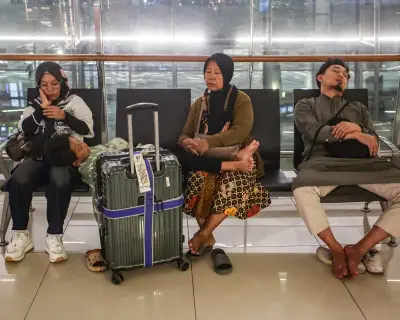
The decision comes after holidaymakers were left vomiting and fainting in a queue at Milan airport last month. Around 100 easyJet customers were stranded at Milan's Linate airport due to delays caused by new border checks in the EU. The airline said the disorder was 'outside of our control' and even delayed takeoff by almost an hour to try to give passengers extra time to board. Still, plenty of Brits were forced to find alternative routes home after discovering they had missed their flight once it had taken off without them.
Understanding the EES System
The entry and exit system is a digital system that replaces physical passport stamps at border points across the European Union. People with passports from non-EU countries, including the UK, are required to use the system. Most travellers from outside the EU, known as third-country nationals, will need to register their passport details and biometric data — including fingerprints and facial pictures — when crossing into an EU country for the first time.
Many borders have now been equipped with self-service kiosks where travellers can input this information themselves. This data, alongside entry and exit details, will be stored for subsequent visits, and records are saved for three years. This means future visits only require verification of biometric data, which can speed up the process. However, if you get a new passport within those three years, you will need to re-register as the EES is linked to your passport number.