Greece has backtracked on earlier reports that British passport holders would be exempt from the European Union's new biometric screening system at its airports during the peak summer season. The confusion has left travelers and tourism officials uncertain about what to expect.
Contradictory Statements
The EU's Entry-Exit System (EES) began operating at Greek airports and other entry points on April 10 as part of a Europe-wide rollout. The system replaces passport stamps with biometric data collection, including photos and digital fingerprints. Greek officials visiting the UK had suggested the requirement would be waived this summer for British travelers, a key market for Greece's tourism industry. Tourism Minister Olga Kefalogianni stated the government did not want visitors 'burdened' by bureaucracy and promised Brits would be 'fast-tracked' through the system.
The Greek Embassy went further, announcing that as of April 10, 2026, British passport holders were exempt from biometric registration at Greek border crossings. Eleni Skarveli, Director of the Greek National Tourism Organisation in the UK, said the move would 'ensure a smoother and more efficient arrival experience in Greece' and reduce waiting times, adding that Brits would no longer need to complete extra EES procedures. This position even matched UK government advice, with the Foreign Office telling travelers that Greek authorities would not collect biometric data from UK visitors.

Clarification from EU and Greek Authorities
However, European and Greek authorities later clarified that suspension of the system would be permitted only during 'periods of high passenger traffic.' Exemptions do not apply to any specific country or nationality, they added. A spokesperson for the Greek Foreign Ministry told the Associated Press, 'We have not received any further update or clarification as to whether, for example, specific nationalities are temporarily exempt from the relevant procedure.'
Metro has approached the Greek Foreign Ministry, the Greek Tourism Ministry, and the UK Foreign Office for comment. Given that thousands of UK travelers arrive daily on islands such as Corfu, Crete, and Rhodes, the idea of scrapping EES checks had been welcomed. It also led some to believe other Mediterranean countries could follow suit for the busy summer period.
Impact on Travelers
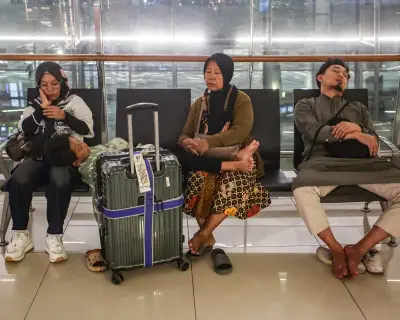
Travelers have already reported queues of up to two hours at passport control since EES started rolling out in some European countries late last year. Airline groups have warned that these waits could double to four hours as holiday traffic increases into the summer season. Luke Petherbridge, director of public affairs at Abta, the travel agent and tour operator association, said, 'What we have said to customers is that, because of the checks, you might need to prepare for delays with extra water and snacks.'
In April, holidaymakers were left vomiting and fainting in a queue at Milan's Linate airport. Around 100 easyJet customers were stranded due to delays caused by new EU border checks. The airline said the disorder was 'outside of our control' and even delayed takeoff by almost an hour to try to give passengers extra time to board. Still, plenty of Brits were forced to find alternative routes home after some only discovered they had missed their flight once it had taken off without them.
What is the EU's Entry/Exit System?
The EES is a digital system that replaces passport stamping at border control across the European Union. People with passports from non-EU countries, including the UK, are required to use the system once it launches. Most travelers from outside the EU, known as third-country nationals, will be required to register their passport details and biometric data when crossing into an EU country for the first time.
Biometric data includes fingerprints and facial pictures. Borders are likely to be equipped with self-service kiosks where passengers can input this information. The data, as well as the entry and exit details, will be stored for subsequent visits. Future visits will only require a verification of the biometric data, which can speed up the process. Border officials will also ask extra questions about accommodation, whether travelers have enough money for the trip, insurance, and a return ticket.

Children are not exempt from the checks, although children under 12 do not need to give fingerprints; however, they will also need to have their face scanned.