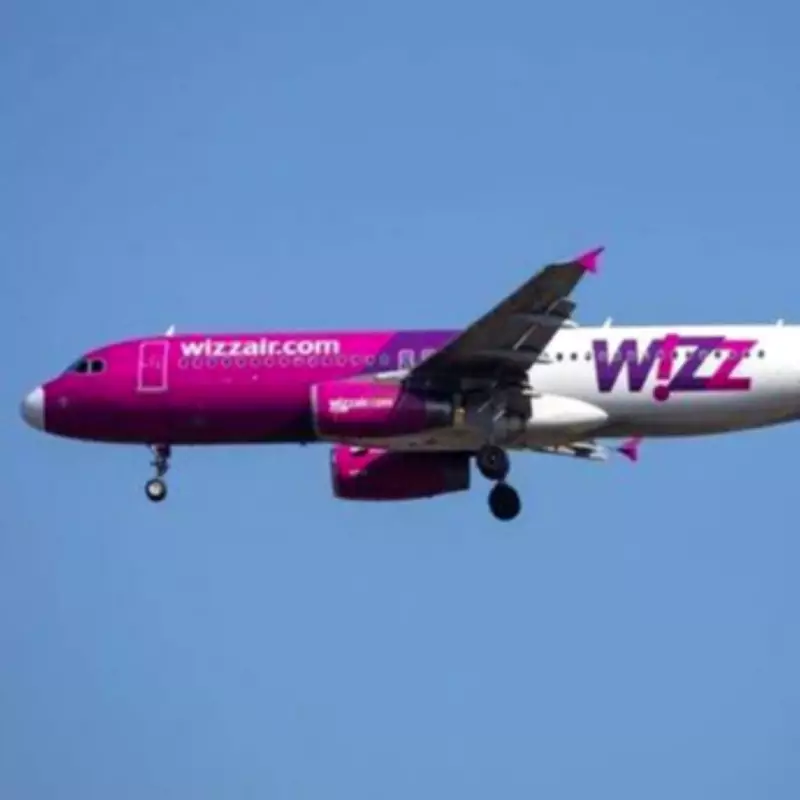
A routine flight from Luton Airport to Tel Aviv became the centre of an international security incident when fighter jets were scrambled to intercept the aircraft, all because of an ill-advised WiFi hotspot name change.
Mid-Air Security Alert Over Mediterranean
The Wizz Air flight W95301, travelling from London Luton Airport to Ben-Gurion Airport in Tel Aviv, Israel, triggered a full security response when cabin crew reported potential threatening messages being displayed to passengers. According to multiple reports, the situation escalated quickly, with Israeli security officials being notified of a possible onboard threat while the aircraft was still in flight.
Fighter Jet Escort and Holding Patterns
Flight tracking data revealed the dramatic response to the perceived threat. The aircraft executed three distinct circular holding patterns over the Mediterranean Sea, south of Cyprus, while security forces assessed the situation from the ground. As a precautionary measure, fighter jets were launched to track and eventually escort the commercial aircraft to its destination.
The intervention followed what investigators later determined was a prank gone wrong – a child had apparently accessed their parents' mobile device and renamed the WiFi hotspot to the alarming term "terrorist." This seemingly minor action triggered a chain reaction of security protocols designed to protect against genuine threats.
Airport Lockdown and Intensive Searches
Upon landing at Ben-Gurion Airport, the security response intensified significantly. Bomb-sniffing dogs were deployed to thoroughly examine the aircraft, while all passengers and their belongings underwent careful searches by security personnel. The incident caused temporary disruptions to flight operations at Tel Aviv's main airport, with both arriving and departing flights briefly halted during the security procedures.
An Israel Airports Authority spokesperson later confirmed that the scare was completely unfounded, stating: "The aircraft landed, and it was found that there was no real incident." The authority issued a further statement explaining that "security forces acted according to the procedures for such a case" when they received reports of suspicious behaviour on the aircraft.
Protocols Followed Despite False Alarm
The incident highlights the extensive security measures in place for international flights, particularly those travelling to destinations with heightened security concerns. While the threat ultimately proved to be non-existent, authorities followed established protocols that treat all potential security breaches with maximum seriousness.
Passengers on the flight alerted cabin crew to the concerning WiFi network name, demonstrating the collaborative approach to aviation security that involves both crew members and travellers. The swift response from multiple security agencies, including the deployment of fighter jets, reflects the precautionary principle that governs aviation security in potentially threatening situations.
Despite the disruption and anxiety caused by the incident, all procedures concluded without identifying any genuine threat, and normal flight operations resumed shortly after the security checks were completed. The event serves as a reminder of how seemingly minor actions can trigger significant security responses in today's heightened aviation security environment.