EasyJet Faces Criticism Over Refusal to Honour £472 Passenger Refund Following Gatwick Disruption
Passengers travelling with easyJet experienced significant disruption and financial hardship following last year's air traffic control problems at London Gatwick Airport. One particular case highlights the airline's controversial handling of compensation claims, where a customer was left £472 out of pocket despite following official advice.
The Disruption Incident at Gatwick
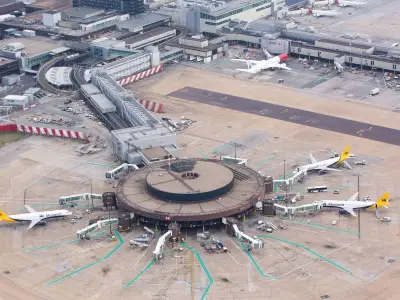
In July last year, a widespread UK air traffic control outage caused chaos at Gatwick Airport, affecting hundreds of flights across multiple airlines. The technical failure created a domino effect of cancellations, delays, and operational challenges that rippled through the aviation network for days.
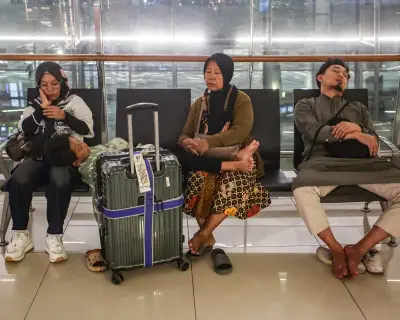
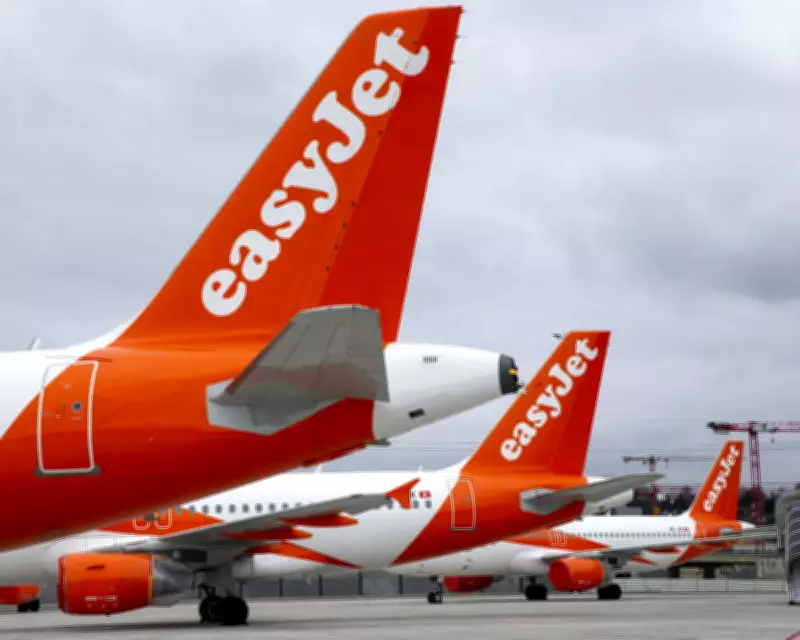
One easyJet passenger bound for Budapest arrived at the airport check-in only to be informed that staff could not issue a boarding pass. The airline had substituted the scheduled aircraft with a smaller plane featuring fewer seats, resulting in 35 passengers being unable to board their intended flight.

Contradictory Advice and Failed Compensation
Airport staff advised the affected passenger to book an alternative flight and subsequently claim the cost through easyJet's official website. The next available option was a British Airways service costing £472, which the passenger purchased expecting reimbursement.
However, easyJet has repeatedly refused to honour this refund, providing a series of contradictory explanations that have frustrated the customer and raised questions about the airline's complaint handling procedures.
Multiple Excuses and System Failures
Customer service representatives initially denied that any aircraft downgrade had occurred, despite clear evidence to the contrary. The airline then changed its position, claiming the rejection was due to the original booking being made through a third-party travel agent.
Most remarkably, easyJet subsequently insisted the passenger was a "no-show" for the flight, despite documented evidence that they were physically present at the airport and denied boarding due to the seat reduction. This appears to have resulted from an inflexible automated system that marked passengers as absent when they couldn't proceed through check-in.
Communication Breakdown and Eventual Resolution
The airline's webchat communications revealed further confusion, with one agent stating rejection was due to "the email address on the booking does not match the one on the booking" - a circular statement that made little practical sense. Another representative confirmed the passenger was denied boarding, then contradicted this by claiming there was no commercial or operational reason for the denial.
Only after external intervention four months later did easyJet change its position and promise the refund. The payment took an additional month to process because the company suddenly demanded proof of payment for the replacement ticket, despite having all relevant booking details.
Broader Implications for Passenger Rights
This case highlights significant concerns about how airlines handle compensation claims following operational disruptions. The air traffic control chaos affected thousands of travellers, and easyJet's approach in this instance suggests systemic issues with both their automated systems and staff training.
Passengers are advised to check in online whenever possible to secure their boarding position, as this provides better protection when unexpected operational changes occur. The incident also underscores the importance of maintaining detailed records and correspondence when disputes arise with airlines.
The aviation industry continues to face scrutiny over its handling of passenger rights during disruptions, with cases like this demonstrating how technical failures can be compounded by inadequate customer service responses and rigid administrative systems.