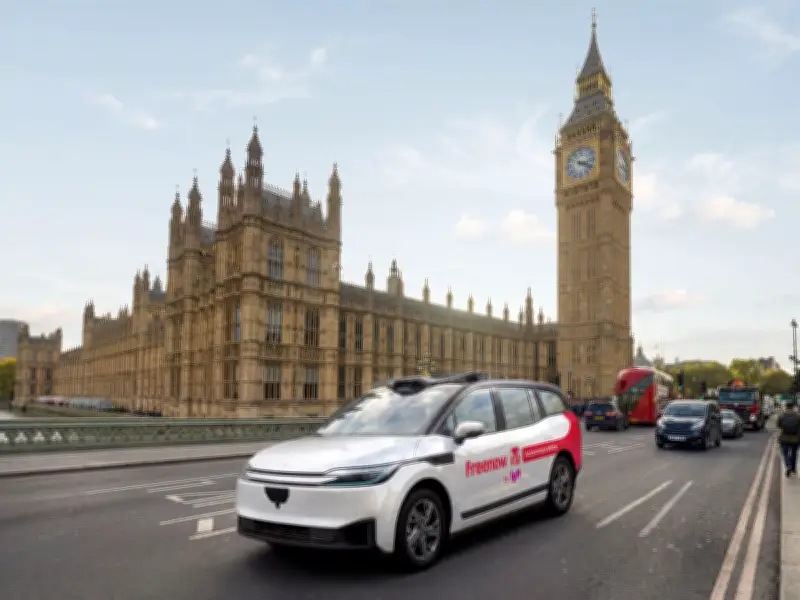
Testing for another type of robotaxi has started in London. Apollo Go driverless cars can now be spotted out on the streets of Brent in a trial by minicab app company Freenow by Lyft, which has standard taxis widespread across Europe, and Chinese technology company Baidu.
Trial Details and Timeline
Initially, the trial will involve human drivers sitting behind the wheel to take control of the taxis when needed. It is hoped the self-driving taxis will be accepting passengers in 2027.
Several firms, including Uber using Wayve robotaxis, are seeking approval to transport passengers in automated vehicles in London as soon as this year. Waymo is also currently testing its 100-strong fleet on the capital's roads.

Controversy and Safety Concerns
Trials, however, have not been without controversy. In May, calls were made to suspend a Waymo driverless taxi trial—also taking place in Brent—due to concerns about a "lack of stakeholder support and unresolved safety fears." Brent Green Party claimed the autonomous vehicles "do not meet the minimum safety standards" after one car drove straight into a police cordon in Harlesden.
Company Perspectives
Regarding the new trial, Freenow by Lyft chief executive Thomas Zimmermann said its priority is "ensuring autonomous technology supports the professional drivers who keep London moving." He added: "By integrating these purpose-built, autonomous vehicles from Baidu’s Apollo Go into the Freenow by Lyft ecosystem, we will give Londoners more sustainable choices to travel, encouraging them to choose shared mobility services over personally-owned vehicles."
UK technology company Wayve said in June that ride-hailing company Uber would start using its robotaxis for public journeys "in the next couple of months" as they are "ready to go" following extensive testing. Waymo, a subsidiary of Google-owner Alphabet, has also been testing its self-driving minicabs in London, ahead of launching commercial services.
Broader Implications
A recent report by shared transport charity CoMoUK warned that the UK risks missing out on the benefits of driverless vehicles unless the Government sets out a clearer vision of their role in the wider transport system. It recommended that trips in self-driving taxis be "pooled with other passengers," and for the creation of a "shared fleet" of autonomous vehicles that could be used by multiple people, as happens with car clubs.