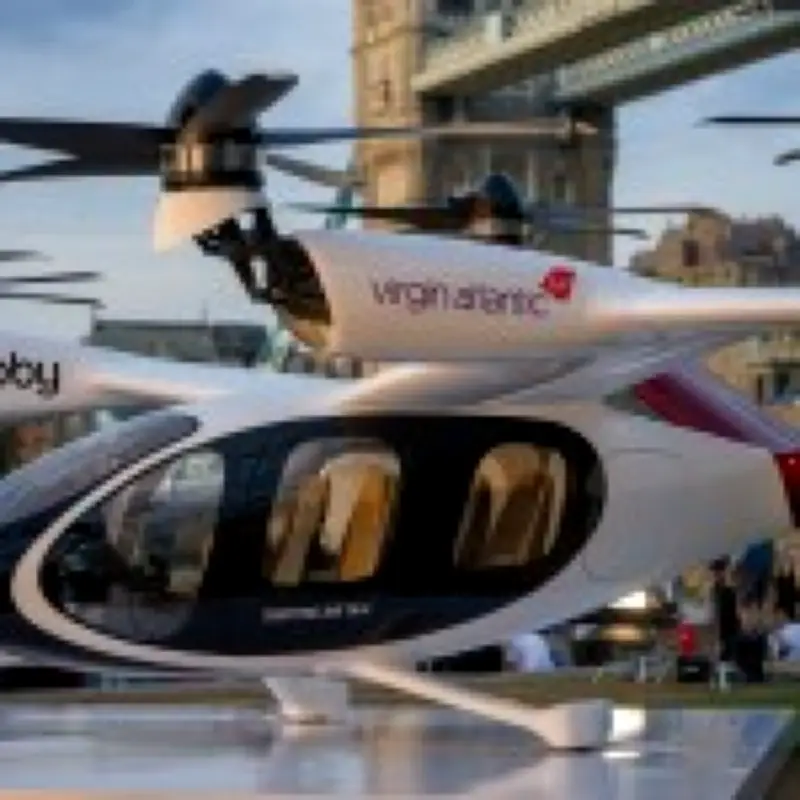
Virgin Atlantic has announced a partnership with American start-up Joby Aviation to introduce electric air taxi services in the UK, offering passengers an eight-minute flight from Heathrow Airport to central London. The service, which could also connect Manchester Airport to Leeds in about 15 minutes, is part of a multi-year agreement revealed at the Farnborough International Airshow.
Cost and travel time comparison
Joby Aviation estimates the air taxi fare from Heathrow to central London at approximately £120. This compares to a black cab journey of about 50 minutes costing between £70 and £120, or an Uber ride starting at £54. The air taxis, which can travel at speeds of up to 200 mph, would dramatically reduce travel times for arriving passengers.
Technology and certification timeline
The aircraft are electric vertical-takeoff-and-landing (eVTOL) vehicles, equipped with six propellers that allow vertical takeoff like a helicopter before tilting to fly like a plane. Virgin Atlantic has not specified a launch date, but the Civil Aviation Authority aims to certify passenger air taxis from 2028. Booking would be available via the Virgin Atlantic mobile app or website.

Industry and expert perspectives
Virgin Atlantic CEO Corneel Koster described the service as part of a 'premium customer experience'. He stated: 'This agreement marks an exciting next chapter in our partnership with Joby and a significant step towards bringing electric air taxi services to the UK.' JoeBen Bevirt, founder of Joby Aviation, added: 'The UK is one of the most exciting markets for this technology, and this partnership could drive significant opportunities for Joby as we bring air taxi service to some of the country's busiest cities.'
Challenges and public perception
Despite the promise of quieter and cleaner travel compared to helicopters, air taxis face hurdles including public perception, noise concerns, high costs, and limited range—most models can only fly about 100 miles. Infrastructure requirements for charging or fueling in congested urban areas also pose challenges, along with lengthy certification processes for new aircraft and components. Previous ambitious timelines, such as Uber's plan for air taxis by 2020 (later sold to Joby), have been delayed, highlighting the difficulties in bringing the technology to market.