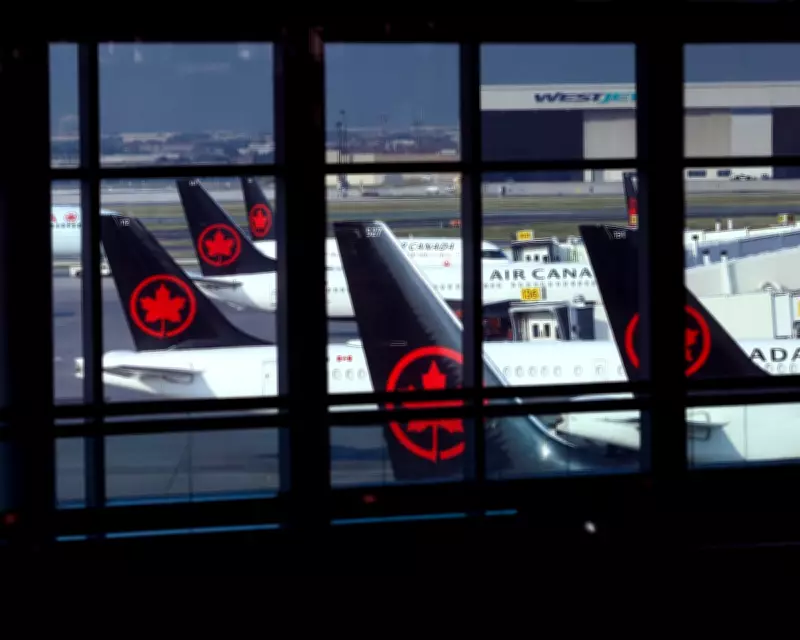
In a significant blow to Caribbean travel, Air Canada has announced the immediate suspension of all its flights to Cuba, citing critical fuel supply issues as the primary reason for the cancellations. This decision disrupts air connectivity between Canada and the island nation, affecting both leisure and business travellers who rely on these routes.
Impact on Travel and Tourism
The suspension encompasses multiple routes that Air Canada operates to various Cuban destinations, including popular tourist hubs like Havana and Varadero. Passengers with booked flights are being notified and offered alternatives, such as rebooking on other airlines or receiving refunds, but the sudden nature of the cancellations has caused widespread inconvenience.
Tourism industry experts warn that this move could have a ripple effect on Cuba's economy, which heavily depends on international visitors, particularly from Canada—one of its largest source markets for tourists. The loss of Air Canada's services may lead to decreased visitor numbers and revenue for local businesses, from hotels to tour operators.

Fuel Shortages and Aviation Logistics
The fuel shortages in Cuba are not an isolated incident but part of broader economic challenges facing the country. Aviation fuel, in particular, has become scarce due to supply chain disruptions and logistical hurdles, making it difficult for airlines to maintain regular operations. Air Canada's decision highlights the vulnerability of air travel to such infrastructural issues, especially in regions with unstable resource availability.
Other airlines serving Cuba may also face similar pressures, potentially leading to further flight reductions or cancellations if the fuel situation does not improve. This scenario underscores the importance of reliable fuel supplies for global aviation networks and the need for contingency planning in the industry.
Broader Implications for Aviation
This incident raises questions about the resilience of air travel in the face of regional crises. Airlines must navigate complex logistical landscapes, and fuel shortages can quickly escalate into major operational disruptions. For passengers, it serves as a reminder of the potential volatility in travel plans, especially when visiting destinations with underlying economic or infrastructural weaknesses.
In response, aviation authorities and industry stakeholders may need to reassess risk management strategies for routes to areas prone to such issues. Enhanced coordination between airlines, fuel suppliers, and local governments could help mitigate future disruptions and ensure more stable air services.
As the situation develops, travellers are advised to stay informed through official channels and consider flexible booking options when planning trips to affected regions. Air Canada has committed to providing updates as more information becomes available regarding the resumption of flights to Cuba.