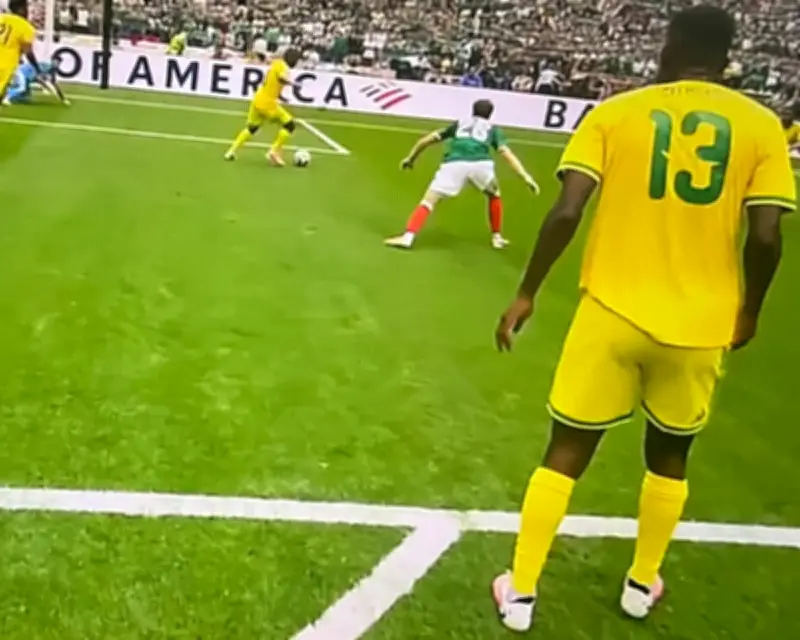
An image from the refcam used by Wilton Sampaio during the Mexico vs. South Africa match at the World Cup has offered a unique perspective on the game. The camera, attached to the referee's headset, provides high-definition stabilized footage that gives viewers a new angle on the action.
Innovation in Broadcasting
FIFA's innovations at this men's World Cup have not all been met with enthusiasm, but the refcam has emerged as a success. Pierluigi Collina, chair of FIFA's referees committee, described it as an opportunity to offer viewers a new experience from an angle never before seen. A clunkier version was used at the Club World Cup, and the Premier League has occasionally used it, but typically for confrontational clips. In contrast, the World Cup coverage has used the refcam to show replays of goals from a unique angle, adding depth to the viewing experience.
Enhanced Viewing Experience
During the opening matches, the refcam was used to replay goals from the referee's perspective. For example, Raúl Jiménez's goal for Mexico against South Africa was shown from Wilton Sampaio's viewpoint, highlighting how much action occurs behind the referee or outside his peripheral vision. Replays of near misses, such as Mexico hitting the post, demonstrate how close referees must stay to the action and emphasize the fine margins involved.
Ladislav Krejci's opener for Czechia, as seen from the refcam, illustrated the visual information referee Amin Omar had to process as players converged on the ball. The camera shows the speed of the game in a way that higher-angle cameras or stands views cannot fully convey. While VAR is present, the refcam underscores the fast pace of elite-level football.
Potential Impact on Viewer Perception
Whether this perspective will inspire greater sympathy for officials remains uncertain. There have been no major officiating errors yet, but with many games remaining, such incidents are likely. However, the refcam is another example of television presentation taking cues from video games, with FIFA's graphic designers for the 2026 World Cup incorporating elements reminiscent of gaming interfaces.
Future of Broadcasting
The refcam is not perfect; the stabilization technology could still be improved. However, it offers an interesting new way for fans to experience being at the center of the action. Amid FIFA's recent controversies, this innovation might represent the future of football broadcasting.