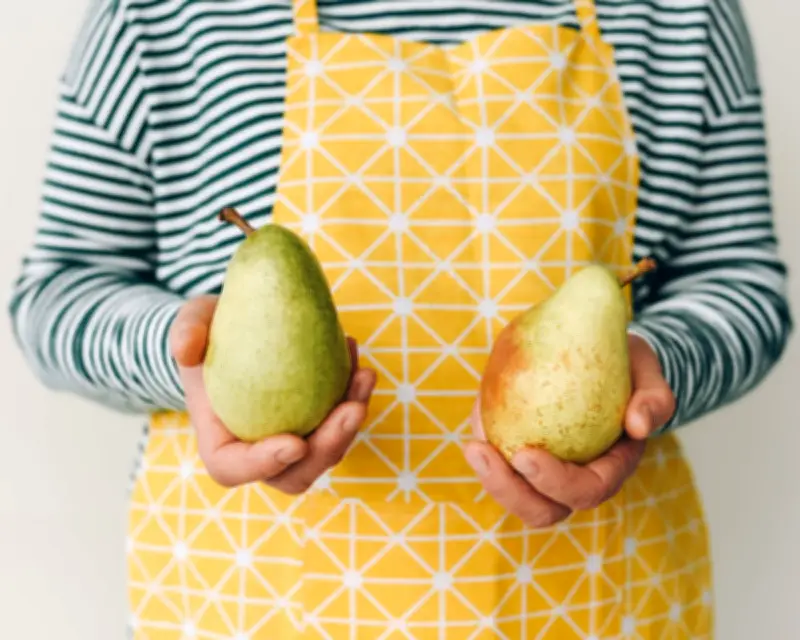
Graeme McIntyre from Edinburgh asks: “When and how did we start having to pay extra for produce we can actually eat?” He is deeply distrustful of “ripen at home” fruit and veg, finding that peaches, pears, and avocados either stay rock-hard for weeks or turn overnight and ooze in the fruit bowl.
Fruit that ‘rots in a basket’
Reader BaronOchs calls this phenomenon “rot in a basket,” noting that nectarines and peaches are the worst offenders. They recommend buying better quality fruit that is already ripe and consuming it quickly. Another reader, TwoRavens, suggests a brown paper bag method for peaches: keep them in the bag, check daily, and once ripe, refrigerate for several more days.
The science behind underripe fruit
Reader leadballoon explains that about 50 years ago, French apples stored under “atmosphère contrôlée” (controlled atmosphere) began competing with imports. The French developed techniques using low temperatures, raised CO2, reduced oxygen, and controlled moisture to preserve apples for months. After storage, ethylene gas could induce ripening. Varieties like Golden Delicious and Granny Smith—hard-skinned and bland—flooded the market. Today, controlled-atmosphere produce dominates international trade, with fruit shipped (not flown) worldwide. Supermarkets prioritise long-term supply deals for 52-week availability, leaving little room for local, seasonal produce. leadballoon notes: “What you virtually never get in supermarkets now is naturally ripened fruit, straight from the field.”
Flavour sacrificed for year-round availability
Reader LarkinAbout adds that fruit is picked before ready and stored in low-oxygen, temperature-controlled rooms to prevent ripening. When oxygen is added, the fruit ripens without the flavour of sun-ripened fruit, leading to popularity of high-sugar varieties like Pink Lady apples. “Unfortunately, consumers want fruit all year round in all seasons; the trade-off is it’s hard and so bland as to be unrecognisable from fruit picked from a tree,” they write.
Consumer expectations and market realities
Reader DanNorwich recalls challenging a supermarket produce manager about hard peaches, who replied: “Our customers like them like that.” DanNorwich stopped shopping there and now prefers market stalls and independent shops. Reddenbluesy argues that supermarkets achieve a “daily miracle” in supplying fruit with a best-before date, and the “ripen at home” packaging avoids wasting unripe produce. However, some customers demand even less variation in appearance, size, and ripening.
Not all fruit can ripen at home
Reader YebbutNo reminds that some fruits are “non-climacteric” and cannot ripen after picking—examples include strawberries, blueberries, cherries, and citrus fruits. Bananas, which ripen at home, have led to the mistaken assumption that all fruit will do so.
Alternatives: frozen fruit and seasonal buying
Reader librarynerd switched to frozen fruit and vegetables, finding they taste better and reduce waste. The WoeKarate family, with roots in warmer climates, laughs at “ripe and ready” labels and accepts that more ripening at home is necessary.