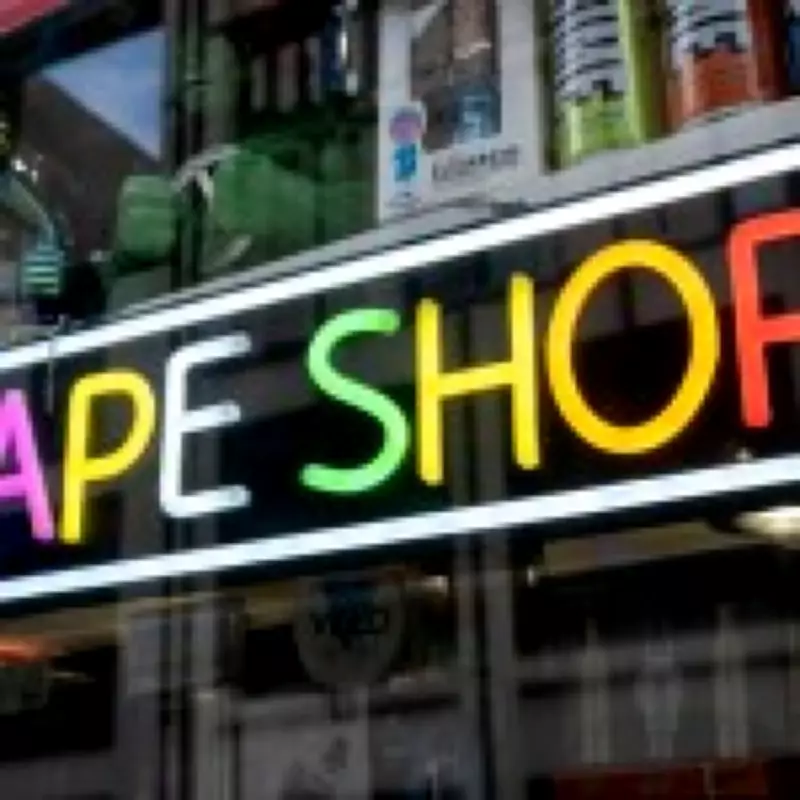
Vape shops and candy stores are forming so-called 'corridors of crime' on UK high streets, with up to half of convenience stores and vape shops involved in organized crime in some areas, according to a new report. These businesses have plagued high streets for years, often forcing local bakeries to close while e-cigarette stores proliferate, despite several already existing within a short walk. This activity is part of an estimated £90 billion laundered annually, according to Napier AI.
The Scale of the Problem
Dr. Janet Bastiman, Chief Data Scientist at Napier AI, explained that criminals find it easier to hide in plain sight. 'They put criminal money through their business to make it look legitimate, and once it does, they spend it on luxury items like flashy cars and even yachts. The money then goes back into funding criminal activity,' she said. When Trading Standards investigates, three-quarters of officers report being threatened with violence, a phenomenon witnessed first-hand during a knife purchase test.
'Corridors of Crime' Across the UK
Certain areas are more affected than others, with corridors running between cities, according to the Chartered Trading Standards Institute and the Anti-Counterfeiting Group's joint report, 'Hidden in plain sight: tackling crime on the UK’s high streets.' In the north, a corridor runs through Manchester, Huddersfield, Bradford, Leeds, and Sheffield. In the south, another stretches across coastal towns including Dorset, Hampshire, and Sussex.

Retail Abuse and Modern Slavery
The problem extends beyond money laundering. Exclusive data provided to Metro reveals 8 cases of modern slavery within London’s retail sector with 13 victims between 2020 and 2024, along with 17 reported cases of labour abuse involving 31 potential victims, according to modern slavery charity Unseen. Dr. Bastiman noted, 'They target vulnerable people, entrapping them into a 'debt' they need to repay or offering them a lot of money before taking away their passport. People forget that money laundering predicates much more serious crimes.'
Why Criminals Choose Vape Shops
Vape shops are particularly attractive for money laundering because they can bulk import products with only nicotine being taxed. With vape use on the rise, opportunistic criminals exploit the trend. Other low-cost businesses such as barbers, candy stores, car washes, and nail salons also serve as fronts, offering services cheap and frequent enough to embezzle funds.
Types of Shops with Most Organized Crime Links
- As many as half of convenience stores and vape shops
- A third of American candy stores
- One-in-four fast food takeaways
How to Spot 'Dodgy' Shops
Several signs hint at criminal activity: low footfall, 'broken' card machines forcing cash payments, and frequent staff turnover. Dr. Bastiman said, 'The biggest one for me is when a business pops up very quickly and just doesn’t seem to have customers. Or when they are like the fifth vape shop to pop up along the same high street.' Investigators also analyze transactions to detect patterns of criminal behaviour.
John Herriman, chief executive of the Chartered Trading Standards Institute (CTSI), stated: 'It is clear from this research that serious and organised crime is endemic across the UK, and the threat posed by illegitimate high street businesses is having a significant impact on the work of Trading Standards, and our ability to protect consumers and maintain the level playing field for legitimate business. We recognise that the Government is focussed on this issue, but it must urgently bring together and properly invest in enforcement agencies – including Local Authority Trading Standards – to give us the powers and resources needed to tackle what is a widespread and growing national problem.'