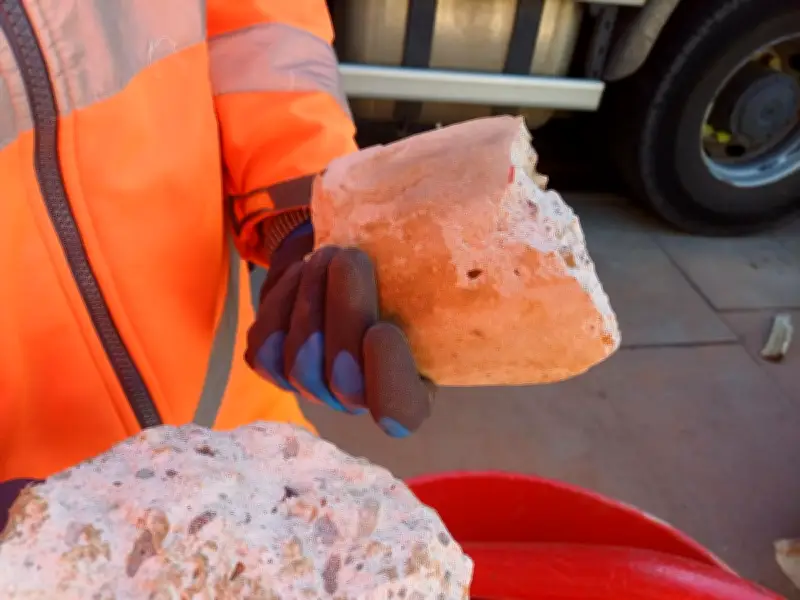
Thames Water has removed large slabs of concrete from London's sewers and issued a warning to builders about improper disposal of construction waste. The utility company says it spends about £1.6 million each year extracting concrete that has been dumped into drains, where it solidifies and causes blockages.
Concrete removal process
Specialists use high-pressure water jets to break down the hardened concrete into small pieces so it can be safely extracted without damaging the pipes. The blockages are detected using ultra-sensitive sewer sensors. If left untreated, the clogging restricts wastewater flow, causing it to back up onto streets and other areas.
Thames Water said it is seeing repeated incidents where building firms are disposing of commercial construction waste directly into the sewer network. Improperly disposed concrete solidifies in sewers, requiring significant time and resources to remove.
Warning to construction companies
Tim Davies, Head of Waste for North London, said: “We are urging construction companies to be more vigilant in their disposal of concrete to prevent damage to our sewer network, as it takes valuable time and resource away from essential infrastructure upgrades. The concrete removal process can be extremely complex. In many cases, we use high-pressure cutting units to break down concrete within the sewer before it can be safely removed.”
Davies added: “This work requires significant investment with expensive equipment, a large team of skilled engineers, and a considerable amount of time to complete. Our teams are working closely with construction companies across our communities to raise awareness of the serious damage and disruption caused by improper disposal. My message to businesses and contractors is simple: please ensure concrete is disposed of correctly. Preventing this issue in the first place is far more effective than dealing with the consequences later.”