Smart lighting offers numerous benefits, from enhancing home security to reducing energy costs, and setting it up requires no electrical expertise. This guide explains how anyone can install smart lights without wiring, sharing personal experiences and practical advice.
Why Smart Lighting Matters
The author recounts a burglary attempt that sparked a decade-long interest in smart lighting. After hearing intruders in the garden, flicking a light switch scared them away, highlighting the potential of lights beyond illumination. Smart lights provide security by simulating occupancy, convenience through voice control, and savings via LED efficiency. They also assist those with mobility issues, as the author found during recovery from a heart attack and spinal fusion.
Security Benefits
Smart lights can be scheduled to turn on and off while you're away, making your home appear occupied. This deters burglars without the hassle of mechanical timers. Voice activation adds convenience, especially for those with physical limitations.
Cost Savings
LED smart bulbs use up to 90% less energy than incandescent bulbs. In the US, switching to LEDs can save an average of $225 per year; in the UK, savings can reach £2,000–£3,000 over a bulb's lifetime. Dimming and automatic shut-off further reduce energy use.
Setting Up Without Wiring
No permanent changes are needed. Simply replace existing bulbs with smart bulbs or add smart lamps and strip lights. The author has installed elaborate setups in rentals with no rewiring, using 44 color smart lights in a New York apartment synced to music.
Choosing the Right Products
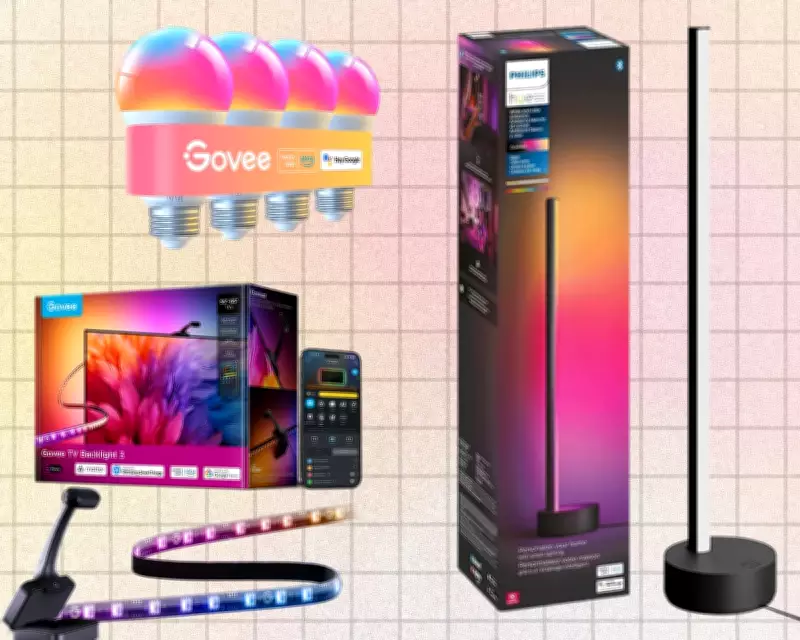
Two recommended brands are Philips Hue and Govee. Philips Hue requires a wireless bridge (around $60) for initial setup, making subsequent bulbs easier. Govee bulbs work with existing Wi-Fi but need individual setup. Both offer a wide range of styles, including bulbs, strips, and specialty lights like TV backlights and curtain lights.
Getting Started
Begin by selecting a smart bulb that fits your fixtures. Use the brand's app for control, or connect to voice assistants like Alexa or Google Gemini. The author's mother, initially hesitant, now uses voice commands and phone controls, enjoying the convenience and security.
Tips for Use
Keep physical light switches on to maintain smart functionality. Use the app or voice to turn lights off. Experiment with dimming levels to set moods and save energy. All recommended lights are dimmable by default.
Smart lighting is accessible to everyone, regardless of age or technical skill. It enhances daily life with minimal effort and no permanent changes.