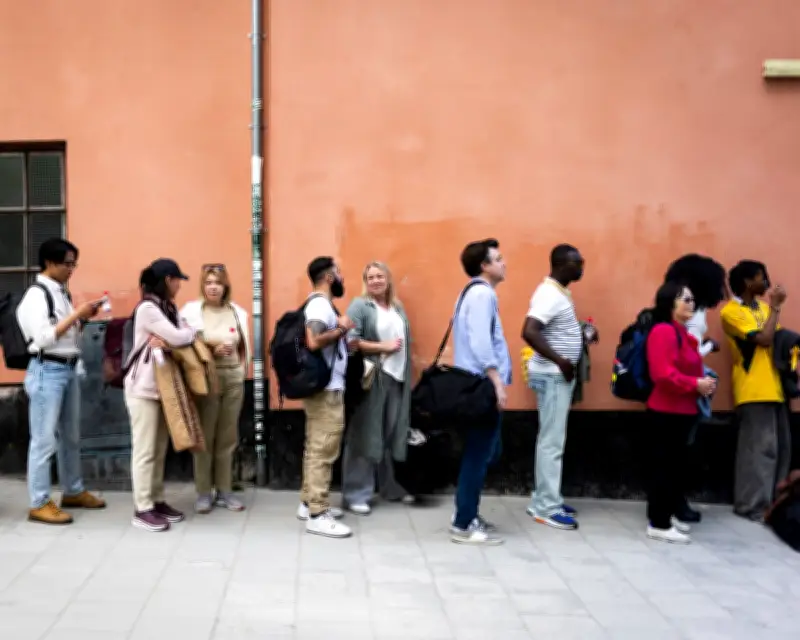
Queueing has become a ubiquitous feature of modern life, with viral bakeries, pizza joints, and even baked potato spots drawing long lines. A New York Times reporter recently queued for an hour for frozen yoghurt, noting the camaraderie among fellow waiters. But as queues multiply, some question whether this trend is about the food or the queue itself.
The rise of the queue as a social space
In York, locals now line up at brunch spots and bakeries, a shift from the days when only tourists queued at the Jorvik Viking Centre. The Queen's coffin queue was studied by social psychologists, and the Wimbledon Queue has its own code of conduct. Social media amplifies the phenomenon, with paid influencers and manufactured scarcity turning long lines into a feature.
The NYT writer pondered whether queues reflect a loss of free public space and a desire for connection. The Londoner explored this in January, with the co-owner of Toad bakery in Camberwell calling their queue “a rare communal thing that brings people together with a shared interest that isn’t to do with drinking.” On Substack, writer Lauren O’Neill described bakery queues as places to “arrange to meet friends for a two-birds-one-stone catch-up.”
A worrying rebrand
This reframing of queues as a low-pressure social activity has echoes of wartime propaganda, according to Emma Beddington. “The queue’s glow-up has echoes of wartime propaganda, as if we’re prepping ourselves for worse things ahead,” she writes. With dire warnings of food crises and recession, the trend may be a gentle rehearsal for hardship.
Beddington also points out that queues exclude those who cannot stand for long periods. Moreover, if queues are desirable community experiences, then austerity measures that closed libraries and youth clubs have inadvertently created new third spaces in GP waiting rooms, NHS dentist lines, and border control. “Bond over annoying waiting room music; share a laugh at your unflattering passport pics; find a new BFF by staunching each other’s bleeding!” she writes sarcastically.
The cost-of-living connection
The shift towards queueing may be part of a broader trend of “soft socialising” linked to the cost-of-living crisis, where people gather for low-key activities like “admin nights.” While some see queues as a way to feel connected, Beddington remains wary. “Patience is a virtue, yes, but I’m not sure it’s always the appropriate response,” she concludes.