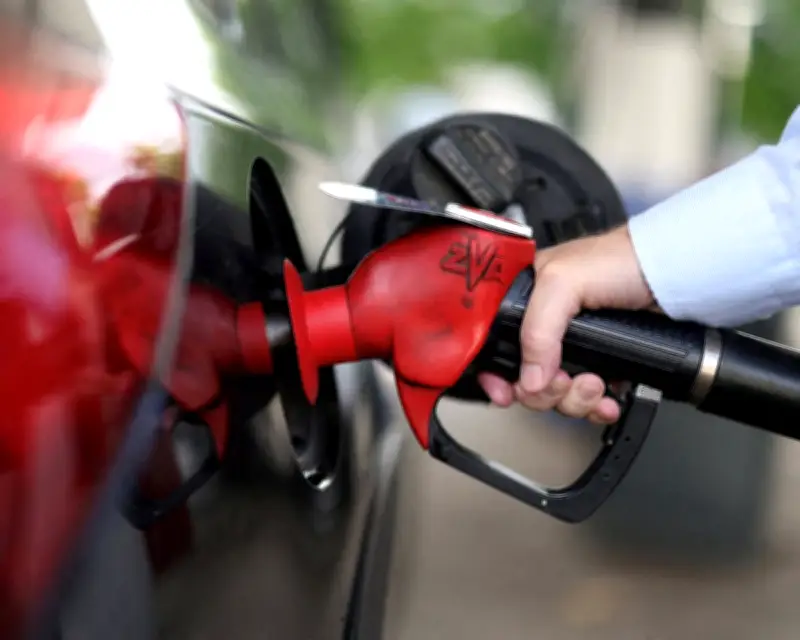
Petrol prices in Australia have dropped to less than 170 cents a litre, below pre-conflict levels, after spiking to about 260 cents a litre in March. The decline comes despite the ongoing closure of the Strait of Hormuz, through which about a third of the world's crude oil travelled in 2025, due to the US-Israel war on Iran.
How Refiners Kept Getting Oil
According to investment firm UBS, the closure of the strait removed about 20.5 million barrels a day of oil and products, but workarounds have been found. Suppliers outside the Middle East have proved to be much more flexible and responsive to demand than analysts expected. Alternative Middle East pipelines added 4 million barrels a day, stockpile releases added nearly another 4 million, and China drastically cut imports, bringing the shortfall down to just 7 million barrels a day in May.
China's ability to cut imports by about 4 million barrels a day surprised analysts; while it is known to have high inventories, it does not publish stockpile data. Supply chains were also redrawn, with Asian nations importing record quantities of refined fuel from the Americas, while India took large deliveries from Russia and Venezuela.
Australia's Fuel Supply Held Up
Australia, with modest refining capabilities, managed to secure fuel through diversified imports. In April, while Brunei and Vietnam reduced crude exports to Australia, Singapore cut petrol, Japan cut diesel, and China supplied less jet fuel, Australia offset these cuts by buying dramatically more crude from South Korea, jet fuel from Malaysia, and diesel and petrol from the US. Australian importers even bought 50 million litres of jet fuel from the US, a rare supply route.
Government data shows that 92 ships of fuel arrived in Australia, and the government authorised the release of 20% of reserve stocks onshore, extended until September. Reserves have been built up to 44 days' worth of petrol, 39 days' worth of diesel, and 32 days' worth of jet fuel. Additionally, the government spent $7.5 billion to underwrite private companies' fuel purchases via the Export Finance Australia agency, helping five companies secure 16 diesel shipments and three jet fuel shipments they would not otherwise have bought.
Is the Oil Crisis Over?
Brent crude fell below US$80 a barrel on Friday, a level not seen since the beginning of the conflict, amid trader optimism tied to the peace deal. Prices were above US$110 a barrel last month. However, oil executives and analysts warn that the crisis is not over. The data firm Energy Aspects says even if the peace deal holds, full restoration of normal shipping flows requires mines to be cleared and shippers and insurers convinced the waterway is safe. Exxon executives have warned that oil inventories are hitting low levels and prices are at risk of shooting higher. In the US, crude stockpiles are at their lowest level in more than 40 years, according to the Energy Information Administration.
Related industries, including those producing engine oil and lubricants, have warned that damage to refining infrastructure during the conflict could disrupt normal supplies for months, even if trade through the strait reopens in full.
Why Petrol Prices Are Lower Than Before the War
Higher oil prices initially led to higher wholesale prices, pushing up retail petrol prices to about 260 cents a litre in March. Now, they are less than 170 cents a litre, below prewar levels. Diesel prices are not quite back to pre-conflict levels, sitting at about 200 cents a litre or less. Both prices have tracked wholesale prices at fuel terminals, which have fallen back to near their February levels.
Dr Lurion De Mello, an energy market expert and senior lecturer at Macquarie University, says because Australia secured more fuel supply than it was using, prices fell. “We have plenty of petrol in the country,” De Mello says. “That’s why petrol prices are quite low at the moment.” Diesel prices are likely to remain elevated, he says, given a “bigger crunch” for supply.
The federal and state governments' 32-cent reduction in fuel tax also contributed to falling prices. That cut to the excise will expire on 30 June. The federal government announced on Saturday that it would reduce the excise by 16 cents for an additional month in July. “We … will seek support from the states for July at national cabinet on Monday,” the government said.