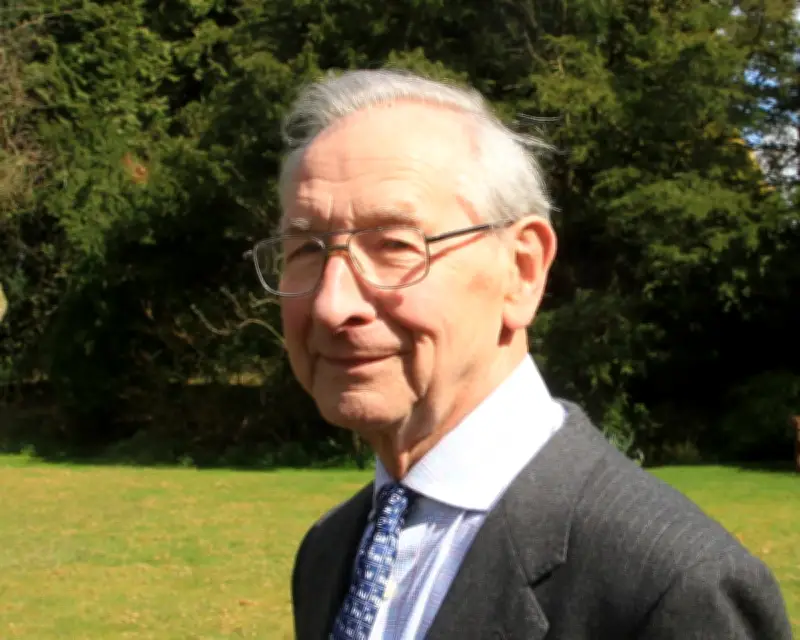
Peter Checkland, the British management scientist who created soft systems methodology (SSM), has died at the age of 95. His work revolutionized the way organizations tackle messy, ill-defined problems by focusing on human perceptions and multiple viewpoints.
Early life and career
Born in 1930 in Birmingham, Checkland studied chemistry at the University of Oxford. After working in industry, he joined the University of Lancaster in 1969, where he began developing SSM. He was a professor of systems management and later became a leading figure in systems thinking.
Soft systems methodology
SSM emerged from Checkland's dissatisfaction with traditional 'hard' systems engineering, which assumed clear objectives. Instead, he argued that many organizational problems involve conflicting goals and subjective interpretations. SSM uses a cycle of finding out about a situation, modeling relevant activities, comparing models with reality, and implementing changes. It has been widely adopted in public and private sectors.
Key publications
Checkland's seminal book, Systems Thinking, Systems Practice (1981), remains a classic. He also co-authored Soft Systems Methodology in Action (1990) with Jim Scholes. His ideas influenced fields beyond management, including information systems, health care, and environmental planning.
Impact and legacy
According to colleagues, Checkland's approach encouraged practitioners to 'never assume a problem is given but always treat it as a situation to be explored.' His work has been cited in over 10,000 academic papers. He received numerous awards, including the UK Systems Society's Gold Medal.
Personal life
Checkland is survived by his wife, three children, and several grandchildren. He remained active in writing and lecturing into his 80s. A memorial event is planned at Lancaster University.