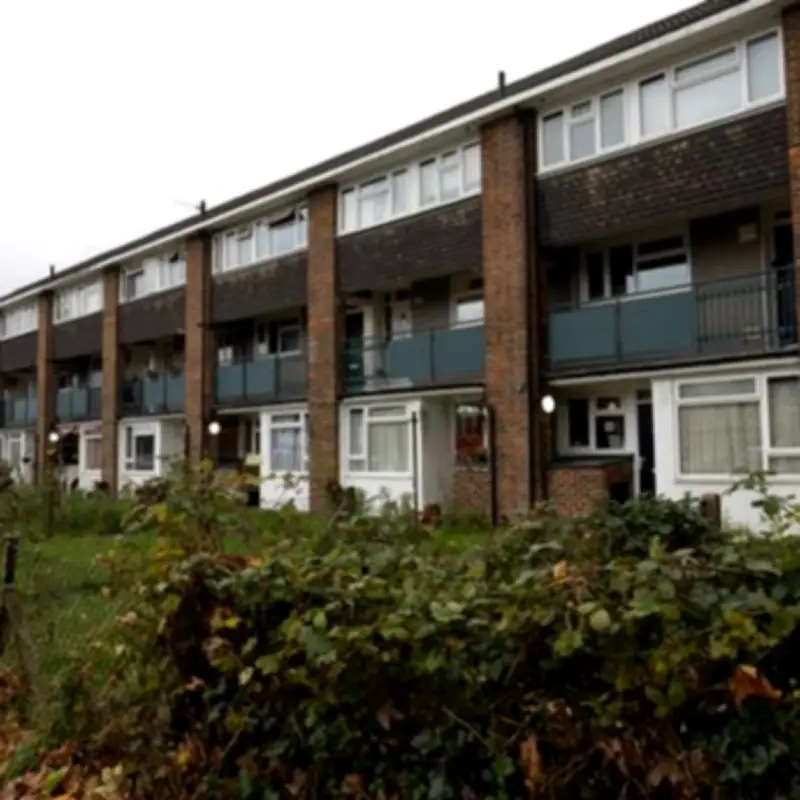
Pest control call-outs to Sutton Council homes have risen by more than 700% over five years, according to new figures. Council-owned flats accounted for the largest share of call-outs, although Sutton Council's housing management partner claims the rise is driven more by increased preventative and follow-up work than by a straightforward increase in infestations.
Rise in Call-Outs
The figures, released following a Freedom of Information request by the Local Democracy Reporting Service (LDRS), reveal a more than sevenfold increase in pest control call-outs across council-owned properties since 2021. Sutton Housing Partnership (SHP), which manages the council's housing stock, recorded 81 pest-related call-outs in 2021/22. This rose to 181 in 2022/23, 256 in 2023/24, 352 in 2024/25 and 613 in 2025/26.
While the figures suggest a sharp rise in activity across the borough's housing stock, SHP says they should not be taken as a measure of the number of individual infestations. Instead, it said the data reflects the total number of pest control contractor visits. It added that a single issue can generate multiple call-outs where treatment requires follow-up visits or where appointments are rearranged, helping to explain the higher numbers.
Persistent Issues in Specific Areas
The LDRS has previously reported on pest infestations across SHP properties. Denmark Gardens in Carshalton has been particularly affected by persistent mouse issues across the ageing estate, with residents telling the LDRS last December how they had found dead mice in their children's toy boxes.
The new data also highlights where pest-related call-outs have been concentrated over the past five years, with the majority occurring in the SM4 6 and SM5 1 areas. Flats and maisonettes in the Wallington and Sutton wards have historically dominated the council's repair logs as the properties generating the highest number of call-outs.
However, the most recent data from 2025/26 indicates a shift, with bedsits and studios in the SM5 1 postcode area emerging as a new hotspot for pest-related call-outs. SHP told the LDRS that the spike in St Helier East ward, which borders Morden, does not reflect a wider neighbourhood decline, but instead relates to an isolated intervention at a single property.
Record Spike and Proactive Approach
The data also shows a record spike in July 2025, when 143 pest-control call-outs were logged. SHP said this was linked to work at two residential blocks, where more than 100 homes received multiple rounds of preventative treatment over the year.
SHP says the new data reflects a proactive approach to pest management in communal housing. Where a pest problem is identified in a block, treatments are often carried out across multiple properties rather than being limited to the home where the issue was first reported.
Responsibility for dealing with pests is shared between residents and the landlord. While tenants are generally responsible for addressing pest issues within their homes, the council must ensure buildings are properly maintained and free from structural defects that could allow pests to enter.
Comparison with Neighbouring Croydon
Last week, the LDRS revealed that pest infestations across neighbouring Croydon's 13,000 council homes have risen sharply over the past five years. Mice were by far the most dominant pest in the borough, accounting for 11,266 visits, or 57.4% of all residential callouts since 2021/22.
Sutton Council was unable to provide a reliable breakdown of the specific types of pests involved, due to the way its historical maintenance records have been logged.