The ubiquity of GLP-1 weight-loss drugs like Ozempic is wreaking havoc on the wedding dress industry, forcing designers and retailers to adapt to rapid and unpredictable weight loss among brides.
Brides Anxious About Weight Loss Delay Dress Purchases
Kelly Cook, CEO of David's Bridal, which operates about 200 US stores, has observed a 'significant shift' in bride behavior. Traditionally, brides purchased dresses around month four to six of an 18-month planning timeline. But since late last year, many are coming in early, asking anxious questions about weight loss and alterations, yet are 'afraid to purchase' their dresses, often delaying the buy by months.
A survey by wedding planning platform Zola found that 10% of engaged couples are using semaglutide, and 42% said the ubiquity of GLP-1s has made them feel they should 'look a certain way' for their wedding.
Designers and Retailers Adapt with New Policies
David's Bridal responded by launching a fit guarantee, ensuring the dress fits up to the wedding day, even if it means swapping for another dress. The company sells roughly 2 million units annually, with many dresses priced between $500 and $2,000, allowing them to absorb the cost. But for small businesses creating bespoke gowns, such guarantees would mean financial ruin.
Many stores are instead requiring brides to sign contracts guaranteeing payment regardless of fit. Jarithza Carlson, domestic production director at Anne Barge, updated contracts to state that if a bride plans drastic weight loss, she may be required to purchase another gown if the dress becomes more than three sizes too big. Sales staff are trained to raise the issue early to catch potential problems before gowns are manufactured.
Alterations Become Costly and Complex
Alterations specialist Melissa Lynn Oddo notes that when a dress is several sizes too big, alterations may not be feasible or could cost up to $1,500, essentially creating a custom piece. Susan Ruddie, owner of The Wedding Dresser, described a bride who lost so much weight that her dress needed to be taken in more than 20 inches. Designer Rebecca Schoneveld had a client drop from a bridal size 16 to a size 6 in six months.
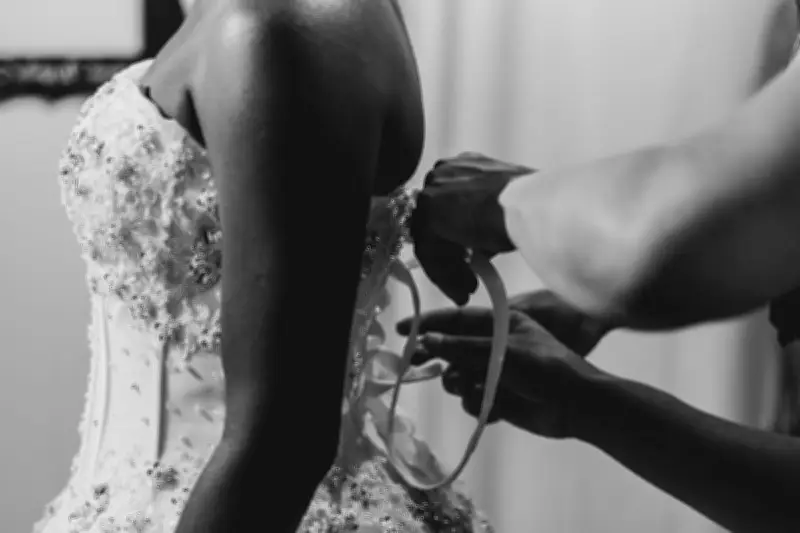
Corsets that lace up in the back have made a comeback for adjustability, says Schoneveld, reflecting a trend toward 'more body manipulation' in fashion.
Brides Navigate Emotional and Practical Challenges
Laura, prescribed semaglutide for health reasons, lost 50 pounds between starting dress shopping and receiving her gown. She used ChatGPT to track her measurements and predict her size, which nailed it, but she continued losing weight post-alterations, prompting her seamstress to plead, 'Please, just don't lose another pound.'
Plastic surgeon Dr. Darren Smith notes that semaglutide has transformed his patient mix, with many brides seeking skin laxity procedures and small-volume breast augmentations due to unexpected volume loss. He gets last-minute requests from Ozempic brides 'all the time.'
Industry Pushes Back Against Body Pressure
Despite some calls for body positivity, such as influencer Molly Scullion's viral refusal to fixate on weight, GLP-1s are heavily marketed to brides. Spas and wellness companies offer bridal packages, like Pure Med Spa's 'Semaglutide for Brides' in Chicago, and Klarity Skin Clinic's 'Mounjaro bride' packages in New Delhi. Schoneveld notes that some plus-sized brides feel compelled to explain if they haven't used GLP-1s, suggesting a future where such pressure becomes the norm.