The New South Wales government has unveiled its annual budget, with significant winners and losers emerging from the fiscal blueprint. Commuters, environmentalists, and gambling reformers are among those affected by the sweeping changes.
Commuters Win with Cheaper Off-Peak Travel
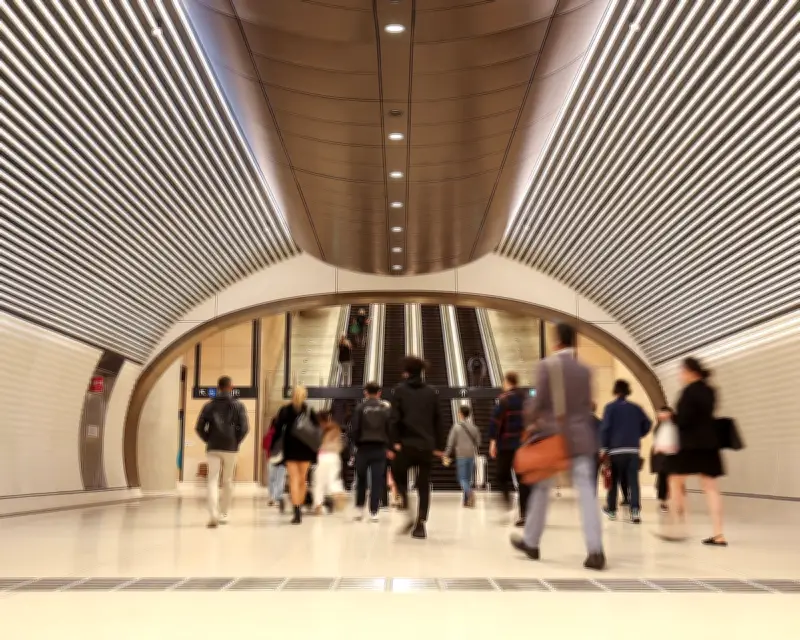
One of the standout measures is a 30% reduction in off-peak public transport fares, aimed at encouraging flexible travel and reducing congestion during peak hours. The policy is expected to benefit millions of daily commuters in Sydney and surrounding areas. According to Treasurer Daniel Mookhey, the initiative is designed to “make public transport more affordable and accessible for working families.” The government estimates that the fare cut will save the average commuter up to $500 annually.
Gambling Reforms Target High-Stakes Punters
In a move to curb problem gambling, the budget introduces stricter regulations on poker machines and betting venues. New measures include mandatory pre-commitment limits for high-stakes gamblers and a reduction in the maximum bet from $10 to $5 per spin on electronic gaming machines. The government also allocated $50 million over four years for gambling addiction support services. “We are taking decisive action to protect vulnerable people from the harms of gambling,” Mookhey said.
Shark Mitigation Gets Major Funding Boost
The budget allocates $30 million for shark mitigation measures along the NSW coast, including increased funding for shark nets, drones, and tagging programs. This follows a series of high-profile shark incidents that have raised public concern. The funding will also support research into non-lethal deterrents and community education campaigns. The government hopes to strike a balance between beach safety and marine conservation.
Losers: Property Developers and Tobacco Giants
Property developers face higher taxes on foreign investment, with the land tax surcharge for foreign buyers rising from 4% to 6%. Meanwhile, tobacco companies will see a 10% increase in cigarette taxes, part of a broader push to reduce smoking rates. The budget also includes a windfall tax on energy companies, projected to raise $2 billion over five years to fund cost-of-living relief measures.
Infrastructure and Environmental Spending
Major infrastructure projects, including the Sydney Metro West and new hospital upgrades, received significant funding. The budget commits $1.2 billion for road upgrades and $500 million for cycling and walking paths. Environmental programs got a boost with $200 million for national park conservation and $100 million for koala habitat protection. The government also announced a $150 million fund for flood mitigation in northern NSW.
Reactions and Criticisms
Opposition leader Mark Speakman criticized the budget for lacking long-term economic vision, calling it “a collection of short-term gimmicks.” Business groups expressed concern over the new taxes, warning they could deter investment. However, community advocates praised the gambling and transport measures. The budget is expected to pass with Labor's majority in the lower house.