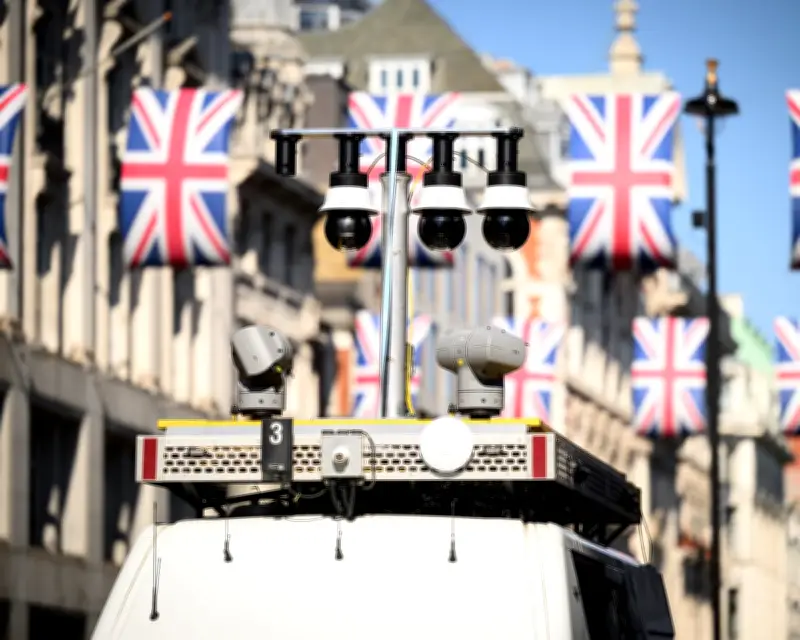
The Metropolitan Police has announced plans to expand the use of live facial recognition (LFR) technology across central London, covering areas such as Westminster and Camden. The move aims to enhance public safety but has sparked renewed debate over privacy and civil liberties.
Expansion Details
Starting in July 2026, the Met will deploy LFR cameras in high-footfall areas, including shopping districts and transport hubs. According to Deputy Assistant Commissioner Ade Adelekan, the technology has proven effective in identifying wanted individuals and preventing crime. He stated, “Live facial recognition is a vital tool that helps us keep Londoners safe. We have seen a significant reduction in serious offenses in areas where it has been used.”
The expansion follows a successful trial in parts of the West End, where 15 arrests were made in the first month. The Met plans to increase the number of cameras from 12 to 50 by the end of the year.
Privacy Concerns
Critics argue that the technology infringes on privacy rights and could lead to mass surveillance. Silkie Carlo, director of Big Brother Watch, said, “This is a dangerous escalation. Live facial recognition is intrusive, error-prone, and lacks proper legal safeguards. The Met is normalizing a surveillance state.”
The Met insists that the system is used only in public spaces and that data is deleted immediately if no match is found. However, campaigners remain skeptical, pointing to biases in facial recognition algorithms that disproportionately affect people of color.
Impact on Policing
The Met expects the expansion to help tackle knife crime, theft, and terrorism. Officers will monitor the cameras in real time and can intervene quickly when a potential suspect is identified. The technology uses a watchlist of individuals wanted for serious crimes, including those on bail or with outstanding warrants.
In the trial period, the system achieved a 90% accuracy rate in identifying wanted persons, according to police data. However, false positives occurred in 2% of cases, which the Met says is acceptable given the safeguards in place.
Next Steps
The expansion will be rolled out in phases, with public consultation ongoing. The Met has pledged to publish regular reports on the system's effectiveness and impact on civil liberties. Meanwhile, the London Assembly will scrutinize the plans in a forthcoming hearing.