Hot tubs, £80 rosé, and pamper parlours are transforming the British festival experience as a new generation of attendees demands luxury alongside live music. Struggling to survive rising costs, festival organizers are betting on Gen Z's willingness to spend on comfort and experiences.
Luxury amenities on the rise
From gleaming private toilets to fine-dining marquees, festivals across the UK are ramping up upscale offerings. At Love Supreme in East Sussex, Togather opened a 65-seater restaurant with chef Yotam Ottolenghi, offering a £65 three-course menu with options like an £80 rosé. The experience sold out across 13 sittings, serving 845 diners. “Millennials, and Gen Z in particular, are wanting to spend their money on experiences over possessions,” said Digby Vollrath, CEO of Togather. “Festivals are the ultimate expression of that.”
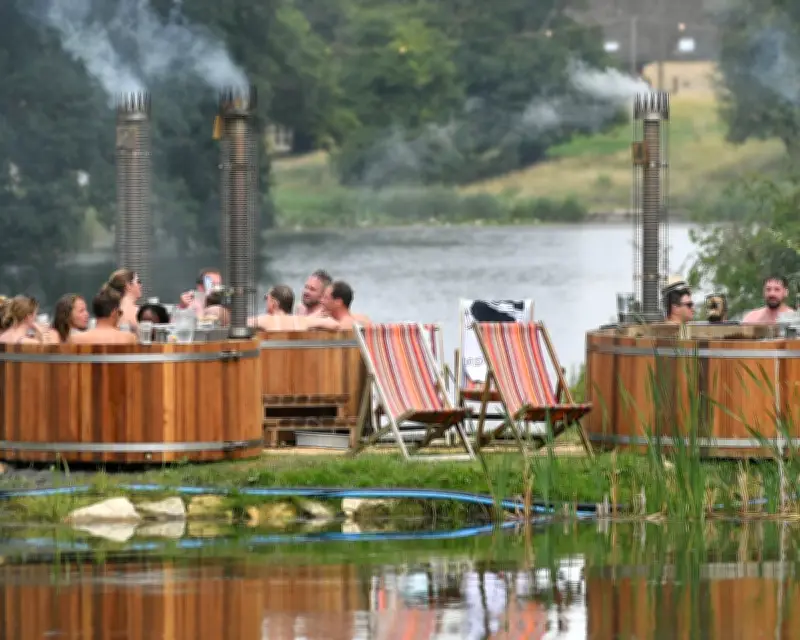
At Wilderness in Oxfordshire, festivalgoers can book a Fortnum & Mason picnic at £97.50 per head, featuring dishes like duck liver parfait and chilli dill prawns. For those seeking relaxation, a lakeside hot tub for six costs £460, while the “Summerhouse en suite for two” runs over £5,000—on top of a £288 weekend ticket. The Wandering Wild Spa encourages guests to leave the music for “luxurious tranquillity.”
Private toilets and glamour stations
When Nature Calls operates upmarket toilet facilities at festivals like Latitude and Rewind. For about £80, customers skip queues and chemical odours, enjoying porcelain toilets cleaned after every use, Molton Brown soap, and warm running water. Their tents include mirrors, curling wands, and hairdryers so guests can “stay glamorous day and night … feeling fresh and selfie-ready.”
Vollrath called it a “mega trend,” adding, “People are treating festivals more like holidays or much more of a major experience than they did in the past.”
Gen Z driving spending boom
The trend is led by Gen Z (born 1997–2012) and millennials. Nearly 60% of UK Gen Z plan to attend a festival in the next year, compared with 41% of all UK adults, according to Mintel. Among millennials, 48% intend to go. A Resolution Foundation report found real weekly pay at age 24 for those born in the late 1990s was 12% higher than for late-1980s cohorts, and those born in the early 2000s earn more at 24 than any generation since the 1950s.
Last year, “music tourists” hit a record 24.7 million, providing an £11.2 billion spending boost. While big events like Glastonbury and stadium gigs by Oasis, Coldplay, and Beyoncé drove the numbers, dedicated festival audiences are forecast to grow from 6.5 million in 2023 to over 8 million in 2027.
Industry struggles despite luxury push
Yet many smaller festivals are failing. The Association of Independent Festivals reported 43 UK festivals cancelled, postponed, or closed in 2025, following a record 78 in 2024. Scotland’s first Womad was cancelled in June, and Heritage Live concerts at venues including Sandringham Castle were scrapped due to “far lower than average ticket sales” and “general financial uncertainty.”
Luxury add-ons offer high profit margins to supplement ticket sales and basic food options. But not all ventures succeed. Last year, Glastonbury glampers who paid £10,000–£16,500 for luxury yurts from provider Yurtel were left out of pocket when the company went bust.
Sustainable luxury at Shambala
Even Shambala, a Northamptonshire festival founded 26 years ago with an anti-VIP ethos, is dipping into upmarket experiences. “Luxury and VIP doesn’t fit with our ethos,” said co-founder Christopher Johnson. “What we are calling it is sustainable luxury.” For a £45 upgrade, Dragonfly Camping offers compost toilets, a renewable-energy pamper parlour, a wood-fired hot tub and sauna, and a “cold waterfall drench.”
“More people are looking for a bit of extra comfort,” Johnson added. “These trends are real and we wanted to show that these experiences don’t always have to be expensive and exclusive.”