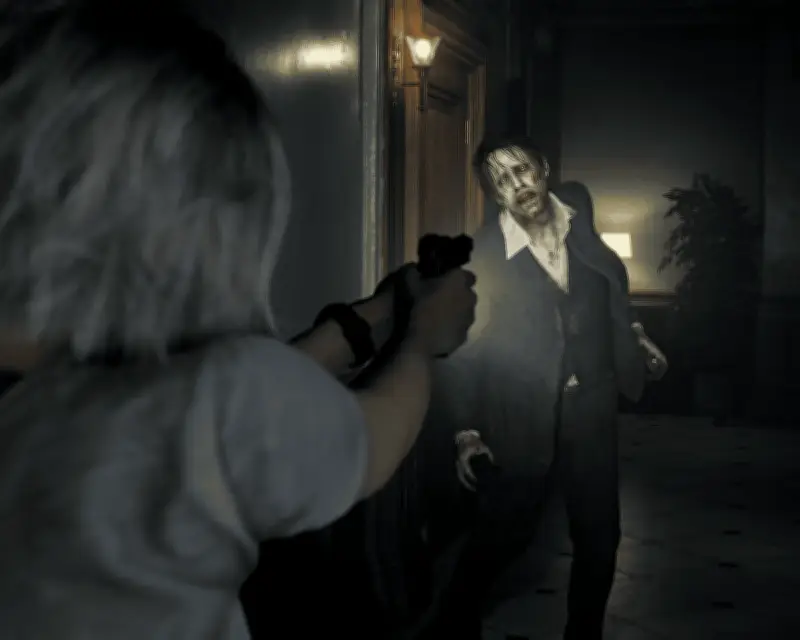
Horror is experiencing a cultural renaissance, with a glut of games including Resident Evil Requiem, Reanimal, and upcoming titles like Silent Hill: Townfall, Silver Pines, and Dreadmoor. This surge extends beyond gaming to films and TV, with cross-pollination between mediums—Blumhouse now makes games, while games inspire horror films and the backrooms genre spreads.
At a recent horror and gaming conference at Falmouth University, academics gathered to analyze the genre. Topics included zombies and posthumanism, the gothic in games, and the role of monstrous little girls in survival horror. Will Doyle, creative director at Supermassive Games, discussed creating horror through revulsion, spatial alienation, and apophenia. The conference also explored technical similarities between indie horror and film noir, such as using darkness to hide budget constraints.
Horror Games and Global Anxiety
A central theme was how horror tropes are reframed to address current crises. Poppy Wilde, senior lecturer at Birmingham City University, noted that horror games often play with agency—the illusion of control. "Horror video games often explicitly play with that idea of control and lack of control as being horrifying," she said. Titles like Routine and The Complex: Expedition question the player's ability to effect change.
Workplace horror is another growing subgenre. Ewan Kirkland, senior lecturer at the University for the Creative Arts, observed: "In Lethal Company, Five Nights at Freddy's and Mouthwashing, there is this theme of the workplace being dangerous and your employer not really caring about your wellbeing." This reflects contemporary anxieties about job stability.
Academic Value of Horror Games
Academic study of horror games is crucial for valuing games as cultural texts and for passing on design insights. The conference discussed topics like the link between tentacle porn and Baldur's Gate 3, and Anthony Vidler's theories of the "architectural uncanny" in relation to Raccoon City. Horror remains a thriving genre because it offers a radical means of disassembling societal problems and terrors.
As one attendee noted, "No work of apocalyptic horror fiction was ever about some far distant future—it was always about now."