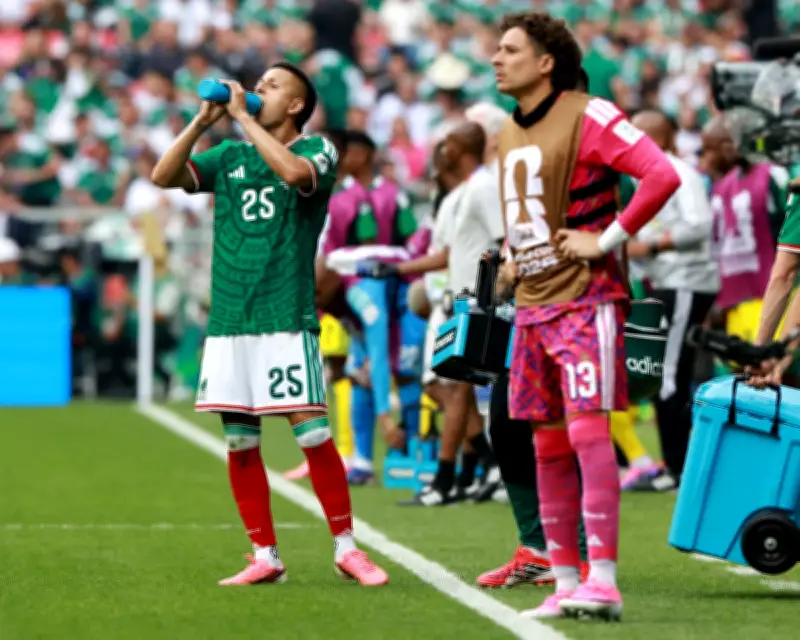
Fox's Full-Screen Ads During World Cup Hydration Breaks Spark Outrage
Drink breaks are making their World Cup debut at this year's tournament. Fox's decision to air full-screen advertisements during these hydration breaks has caused dismay among US viewers, who labeled the practice 'absolute nonsense'. The breaks, introduced by FIFA for player safety, have become a point of contention as broadcasters seek to capitalize on the additional time.
Hydration Breaks Added for Player Safety
FIFA introduced three-minute hydration breaks for the World Cup due to concerns that players could struggle in the heat of North America this summer. These breaks occur once each half in every match, regardless of the temperature. While the breaks address legitimate health concerns, many fear they will disrupt the pace of play and allow broadcasters to extract added advertising revenue.
Fox's Advertising During Breaks Criticized
Fox, which holds the English-language broadcasting rights for the World Cup in the US, cut to an advertising break during the second half of Mexico's victory over South Africa in the tournament opener. The referee called a hydration break just after Mexico scored their second and final goal. When the broadcast returned, play had already resumed for about 10 seconds, meaning viewers missed action as South Africa attempted to find a way back into the contest. FIFA has requested that broadcasters return to the match 30 seconds before play resumes.
Fan Backlash on Social Media
The ad break received pushback from fans on social media. 'We are trying to watch the biggest tournament on earth. Absolute nonsense. End this immediately!' wrote one viewer on X. On Reddit, fans were also critical, though some noted that commercial breaks during games are a fact of life in the US. 'Missing live action, which they did, is unacceptable. But commercial breaks during games are a fact of life in the US. It is what it is,' wrote one user.
Telemundo Avoids Full-Screen Ads
Telemundo, the World Cup's Spanish-language broadcaster in the US, did not cut away to full-screen advertising during the hydration breaks, highlighting a contrast in how broadcasters handle the breaks.