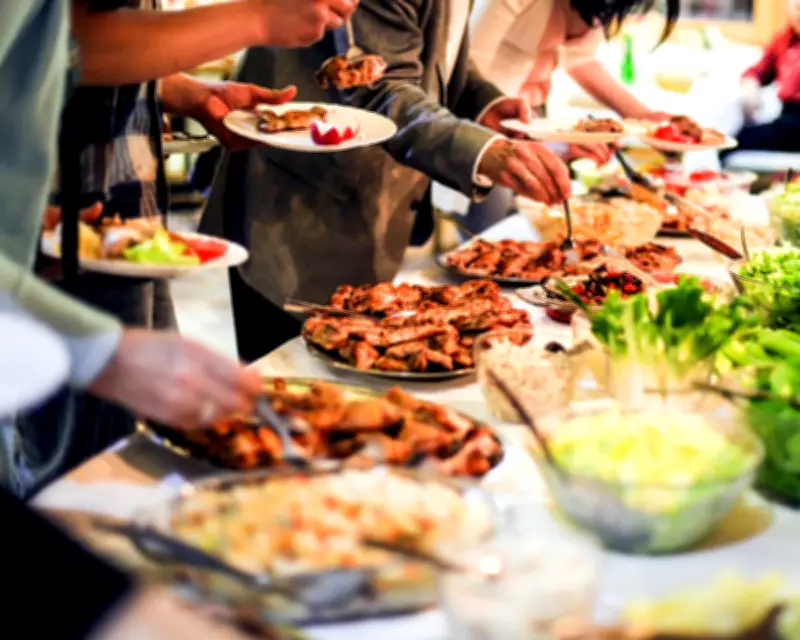
As school holidays approach, millions of Britons prepare for their biggest annual event: the all-inclusive buffet olympics. Emma Brockes, a Guardian columnist, argues that this competitive dining surpasses Wimbledon and the World Cup in national importance.
Rise of All-Inclusive Holidays
Since the pandemic, British vacation trends have shifted toward maximalist holidays. Bookings for European all-inclusive resorts rose by 30% between 2023 and 2024, according to industry data. Abta reports that a quarter of British holidaymakers now choose all-inclusive packages, which offer bottomless food and drink perceived as “free” despite upfront costs.
Reasons for this surge include cost certainty in an unstable economy and the appeal of “zero decision” holidays. However, Brockes suggests the real draw is the challenge of extracting maximum value from the buffet while maintaining dignity.
History of Buffet Strategy
Brockes recalls honing her skills at Pizza Hut’s salad bar in the 1980s, where diners faced a single, high-pressure visit. Techniques included layering lightweight leaves and shredded cheese at the bottom, building up with heavier items like croutons and ham cubes, and using breadsticks to prop up the carton lid for extra capacity. The highest-value item was the tinned pineapple ring, balanced wetly on the lid.
Las Vegas Buffets Decline
Historically, Las Vegas hosted the greatest buffets, with multiple rooms offering high-end fare. The New York Times reported a decline from about 70 buffets in 2019 to half a dozen now, due to rising food prices. These single-pay experiences charged up to $100 for two hours. Brockes recalls visiting Caesars Palace, where the cake room moved her to tears.
In contrast, European buffets focus on volume over luxury. Brockes advises avoiding cheap fillers like pasta and targeting single luxury items, such as the ibérico ham station at a Spanish resort last year. Despite a headache from salt, she deemed the experience worthwhile.
Future of Buffets
Spiking prices, global warming, and food waste may eventually eliminate these options. Yet Brockes cherishes the memories, even as her children urge her to stop talking about the ham. She vows to never stop.