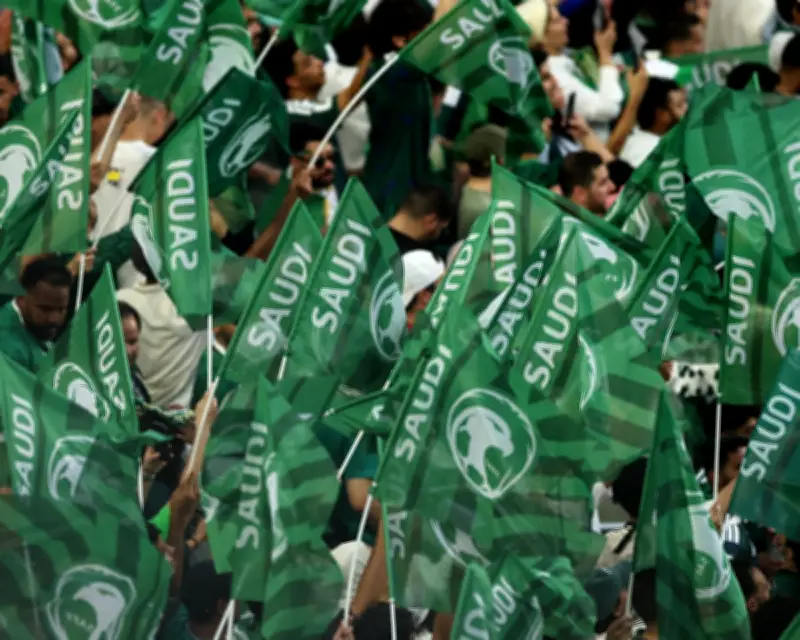
The sponsorship deal between Saudi state oil giant Aramco and FIFA for the 2034 World Cup has intensified the debate over sportswashing, with critics accusing football's governing body of prioritizing financial gain over human rights concerns. The agreement, reportedly worth hundreds of millions of dollars, will see Aramco become a major sponsor for the tournament, which is set to be hosted by Saudi Arabia.
The Deal and Its Context
FIFA announced the partnership in June 2026, touting it as a landmark collaboration to promote football globally. However, human rights groups have condemned the move, pointing to Saudi Arabia's record on issues such as women's rights, freedom of expression, and the treatment of migrant workers. The deal comes amid ongoing scrutiny of FIFA's decision to award the 2034 World Cup to Saudi Arabia, a process that has been criticized for lacking transparency.
According to a report by Amnesty International, Saudi Arabia has used sports investments to deflect attention from its human rights abuses, a strategy often referred to as sportswashing. The organization noted that the Aramco sponsorship is the latest example of the kingdom leveraging football to improve its international image.
FIFA's Defense and Economic Arguments
FIFA President Gianni Infantino defended the partnership, emphasizing the positive impact of football on development and unity. "This partnership will help grow the game in new markets and create opportunities for millions of fans worldwide," Infantino said in a statement. He also highlighted Aramco's investments in grassroots football programs in developing countries.
Economic analysts point out that the deal provides significant revenue for FIFA, which has faced financial challenges due to the COVID-19 pandemic and corruption scandals. The sponsorship is expected to fund various FIFA initiatives, including women's football development and infrastructure projects in host nations.
Criticism from Human Rights Groups
Human Rights Watch has called on FIFA to reconsider the partnership, arguing that it legitimizes Saudi Arabia's repressive policies. "By accepting money from Aramco, FIFA is turning a blind eye to the suffering of Saudi dissidents, women, and migrant workers," said a spokesperson for the organization. The group has documented cases of arbitrary detention and torture in Saudi prisons.
Former FIFA official and corruption whistleblower Bonita Mersiades described the deal as "a new low for football governance." In an interview with The Guardian, she stated, "FIFA has learned nothing from past scandals. They continue to sell the soul of the game to the highest bidder."
Impact on the Global Game
The partnership has also sparked debate among fans and players. Some argue that the financial benefits could improve football infrastructure in underserved regions, while others plan to boycott the 2034 World Cup in protest. A survey by the football supporters' association Football Supporters Europe found that 68% of respondents opposed the sponsorship deal.
Several prominent players have remained silent on the issue, but former England international Gary Lineker tweeted, "Football should be a force for good, not a tool for dictators to whitewash their atrocities."
Looking Ahead
As the 2034 World Cup approaches, the controversy surrounding the Aramco sponsorship is unlikely to fade. FIFA faces mounting pressure to address ethical concerns, while Saudi Arabia continues to invest heavily in sports as part of its Vision 2030 reform plan. The debate over sportswashing and the role of money in football underscores the ongoing tension between commerce and integrity in the global game.