Gang Deployed SMS Blasters on London Underground in Elaborate Fraud Scheme
A criminal gang attempted to defraud thousands of pounds from Londoners by using homemade 'SMS blasters' concealed in suitcases on the London Underground network, Inner London Crown Court has heard. The alleged 'smishing' plot, which involved sending fake delivery messages to unsuspecting passengers, was foiled when an off-duty British Transport Police officer grew suspicious of a hole-riddled suitcase being dragged through the tube system.
How the SMS Blaster Scam Operated
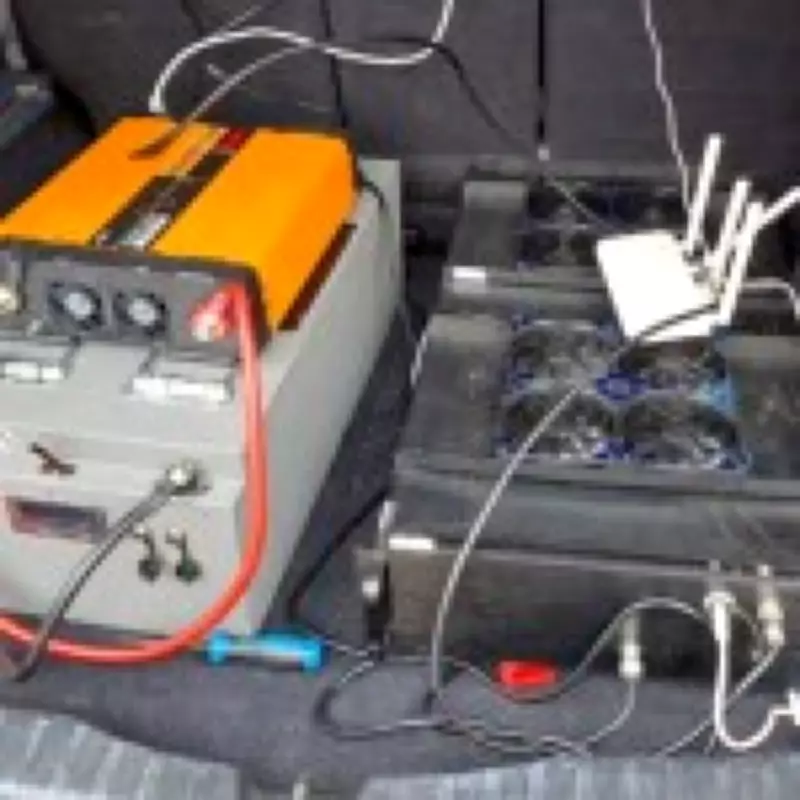
Prosecutor Alex Davidson explained that the gang, led by alleged 'top boss' Zhijia Fan, 48, and his 'right-hand man' Daoyan Shang, 20, wheeled heavy suitcases equipped with SMS blasters around dense areas of the London Underground. These devices masqueraded as legitimate cell towers, tricking nearby phones into connecting to them instead of normal networks. Once connected, fraudulent text messages were broadcast, pretending to be from courier services like Evri and Royal Mail, claiming failed parcel deliveries and urging recipients to click links to input personal details.
The aim, according to the prosecution, was to 'plunder bank accounts' by harvesting sensitive information through these deceptive texts. Mr Davidson described the scam as 'smishing'—a blend of SMS and phishing—where fraudsters impersonate reputable companies to steal data. He noted that the SMS blasters were 'crude' yet sophisticated devices, regularly breaking down and requiring ventilation, hence the holes punched into the suitcases.
Key Defendants and Evidence Presented
Fan and Shang, both of no fixed address, have denied charges of conspiracy to defraud and possessing articles for fraud between January and March 2025. Mobile phones, antennas, and base stations were seized from them after their arrests. The court heard that another alleged gang member, Wan Hafiz, has pleaded guilty, while suspect Jinhua Zhang remains at large after fleeing bail.
Mr Davidson emphasized that the evidence points to Fan as the leader of the organised crime group, with Shang saved in his phone as 'top boss'. The prosecution also revealed discussions about expanding the fraud to the Paris Metro, implicating Fan further in international criminal activities. An off-duty officer's vigilance led to the initial arrest in March 2025, after noticing a suspicious suitcase with holes, unraveling the gang's operations.
Expert Advice to Combat Such Scams
In light of this case, experts urge the public to remain vigilant against smishing attacks. Paul Curtis, Detective Chief Inspector of the Dedicated Card and Payment Crime Unit, warned that criminals are becoming increasingly sophisticated, sending convincing texts that appear from trusted sources. He advised:
- Take a moment to stop and think before responding to unsolicited messages.
- Do not click on links or open attachments in unexpected texts or emails.
- Report suspicious messages to 7726 and any fraud incidents to Action Fraud.
- Android users should disable 2G, while iPhone users can filter messages from unknown contacts.
The trial continues as the jury deliberates on the involvement of Fan and Shang in the conspiracy. This case highlights the growing threat of technology-enabled fraud in urban transport networks, underscoring the need for public awareness and robust law enforcement responses.