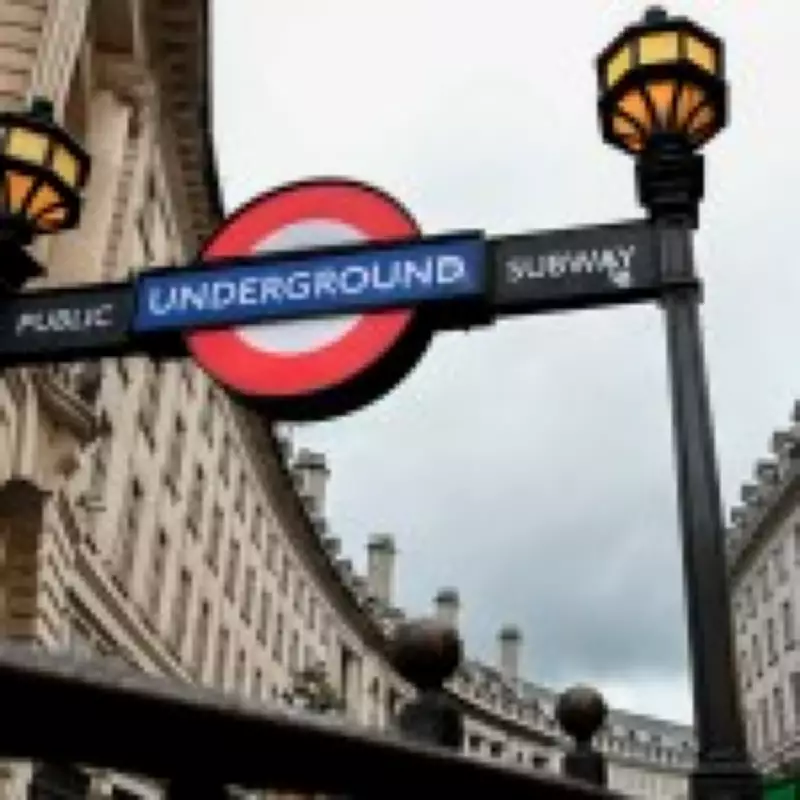
Londoners and visitors are bracing for significant travel disruption over the coming days as coordinated strikes by tube drivers bring the entire London Underground network to a near standstill. The industrial action, organized by the Rail, Maritime and Transport union (RMT), is set to cause widespread chaos across the capital's transport system.
Strike Schedule and Impact
The first 24-hour strike commenced at 12pm today, with drivers walking out in protest over working hours. A second identical strike is scheduled to begin at 12pm on Thursday, creating a dual wave of disruption that will affect millions of daily commuters and tourists.
During these periods, the vast majority of London Underground services will either face severe delays or cease operation entirely. Transport for London (TfL) has advised passengers to expect minimal to no tube services across all lines.

Alternative Transport Options
While the Underground faces paralysis, other TfL services including the Elizabeth line, Docklands Light Railway (DLR), London Overground, and Trams are expected to operate normally. However, these services are anticipated to be exceptionally crowded as passengers seek alternative routes.
The majority of London's bus network will continue running as usual throughout the tube strikes, providing some relief for stranded travelers. However, seven specific bus routes operated by Stagecoach will be affected by separate strike action from 5am on Friday until 5am on Saturday.
Travel Advisory and Recommendations
TfL officials are urging all travelers to check the official TfL website at tfl.gov.uk/strikes for the latest updates before beginning any journeys. The transport authority recommends allowing extra travel time, considering walking or cycling for shorter trips, and exploring alternative routes where possible.
The strikes come at a particularly challenging time for London's transport network, which typically handles millions of passenger journeys daily. The disruption is expected to have ripple effects throughout the city's economy and daily life.
Union Perspective and Negotiations
The RMT union has cited unresolved disputes over working hours and conditions as the primary motivation for the strikes. Union representatives have indicated that the industrial action will proceed unless meaningful negotiations with TfL management yield satisfactory agreements.
This latest round of strikes follows previous tensions between transport unions and TfL administration, highlighting ongoing challenges in London's public transport sector. The outcome of these negotiations will likely influence future labor relations across the network.
As the city prepares for extended disruption, businesses, schools, and event organizers are adjusting schedules and making contingency plans. The full economic impact of the strikes remains to be calculated, but previous similar actions have resulted in significant losses for London's economy.