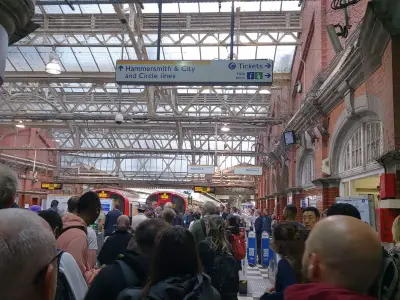
Londoners are nearing the end of the Tube driver strike, which was predicted to cause significant disruption, but many commuters have managed to avoid the worst of it. Unlike the September strike last year, which brought the network to a standstill and forced even non-cyclists onto bikes, the April strike has had a more muted impact, particularly for the growing number of cyclists who have become more adept at navigating industrial action.
Rise in Cycling During Strike
Commuters have adapted quickly, with many who would not normally cycle turning to e-bikes from the first day of the strike. Data shows a surge in cycling: nearly 4,000 riders were recorded on the Embankment by 8:45 am today, compared to a daily average of around 252. Forest e-bikes reported a 50% increase in rides during yesterday's morning rush hour (7-8 am) compared to the same time last week, and a 35% rise during the afternoon peak. Lime recorded a 23% increase in trips on Tuesday compared to the same day last week, with average trip distance and length up by 20%.
Impact on Small Businesses
While many commuters have found alternatives, small businesses near major stations like Liverpool Street have been severely affected. Independent shop owners report suffering and stress over surviving the strike, as foot traffic has dropped significantly.

Union Response
Jared Wood, the RMT union's London lead, dismissed the idea that the rise in cycling undermines the strike. He noted that public transport usage patterns have changed since the pandemic but passenger numbers have recovered. Regarding the debate on driverless trains, sparked by the strike, Wood called it a "fantasy," citing a TfL estimate that automating just three lines would cost £20 billion. He emphasized that trains cannot run without staff to assist passengers in emergencies. London Mayor Sadiq Khan has also confirmed that work on driverless trains should not proceed.
Wood stressed that London needs improvements in public transport and that bikes are important, but the city cannot survive without the Tube. He pointed out the economic value of the Tube, saying that every strike generates tens of millions of pounds for the London economy, yet this is not recognized when discussing investment in public transport.
Effectiveness of the Strike
Questions have been raised about the strike's effectiveness after picket lines at Earl's Court, Northfield, and Acton Central appeared deserted. However, Wood insisted the strike has been well-supported, noting the number of people unable to work and the difficulties TfL faced in maintaining services. He explained that picketing is challenging due to round-the-clock shifts.
Reasons for the Strike
The dispute centers on TfL's proposal to condense drivers' five-day working week into four longer days. RMT opposes this, citing concerns about shift lengths, breaks, and notice periods that affect drivers' welfare. Wood claimed that under the proposal, a driver could start at 3:45 am, drive for over five hours without a break, then have a 30-minute break and drive for up to 9.5 hours total. TfL insists the changes are voluntary, would not reduce contractual hours, and would bring London Underground in line with national rail operators. More strikes are planned for May 19-22. Nick Dent, TfL's director of customer operations, urged the RMT to call off the strike and continue negotiations.